Pre-Seismic Signature Detection using Diurnal GPS-TEC and
Kriging Interpolation Maps (ASK-VTEC Technique):
11 May 2011, M9.0 Tohoku Earthquake Case Study
Thammaboribal P.,1* Tripathi, N. K. 1 and
Lipiloet, S.2
1Asian Institute of Technology, School of Engineering and
Technology, P.O. Box 4, Klong Luang, Pathumthani 12120, Thailand
prapasgnss@gmail.com*
2Department of Civil Engineering, Faculty of Engineering,
Rajamangala University of Technology Thanyaburi, Pathumthani 12120,
Thailand
*Corresponding Author
Abstract
During earthquake preparation, a seismogenic electric field is
generated on the Earth's surface, which then penetrates the
atmosphere, reaching several hundred kilometers above the
lithosphere and causing perturbations in the ionospheric electron
density. These seismo-ionospheric anomalies are typically identified
using statistical techniques, such as running averages or
inter-quartile range (IQR), with the anomalous zones analyzed from
Global Ionospheric Maps (GIMs). This study used ASK-VTEC technique
for detecting pre-seismic signatures, based on the daily mean of
vertical total electron content (AVTEC) and its standard deviation
(SVTEC). The spatial distribution of vertical electron density
(VTEC) is mapped using Ordinary Kriging (OrK) interpolation instead
of GIMs. To validate and assess the performance of this approach,
the M9.0 Tohoku earthquake, which occurred on March 11, 2011, was
chosen as a case study. The results show that ionospheric anomalies
were observed on May 8, 2011, three days before the earthquake. A
significant anomalous zone was detected southwest of the epicenter
between 06:00 and 10:00 UTC. These findings are consistent with
previous studies, and further, the VTEC spatial distribution maps
generated by the OrK interpolation technique outperformed GIMs on a
local scale. Additionally, the analytical process is less complex
compared to conventional methods. Therefore, the pre-seismic
signature detection technique proposed in this study offers a
viable alternative for investigating VTEC anomalies prior to
earthquake events.
Keywords: ASK-VTEC, Earthquake Precursor, Ionospheric
Disturbance, SVTEC, Tohoku Earthquake
1. Introduction
Seismo-ionospheric anomalies prior to earthquake occurrence were first
detected in 1964 after the Mw 9.2 Alaska earthquake [1]. The study of
ionospheric perturbations before earthquakes has been intensively
conducted for many earthquake events. The results show that
seismo-ionospheric anomalies typically emerge 0 to 10 days before an
earthquake [2][3] and [4]. However, some scientists argue that there
is no significant statistical relationship between the lithosphere,
atmosphere, and ionosphere (LAI) during the earthquake preparation
process [3]. As a result, the topic of ionospheric disturbances before
earthquakes remains controversial and is still debated among
seismologists. The physical mechanism of LAI coupling is not yet fully
understood and continues to be discussed by many researchers. However,
there are three hypotheses explaining this mechanism [4] and [5]. The
first hypothesis is the chemical channel, based on the emanation of
radon gas. The second hypothesis involves acoustic gravity waves (AGWs)
generated during the earthquake preparation process, which may
propagate upward to the ionosphere and cause irregularities in electron
density [6]. The third hypothesis is the electro magnetic channel,
which involves positive charge carriers [7]. The electrostatic electric
field generated by positively charged ions at the Earth's surface
penetrates through the atmosphere to the ionosphere, causing
perturbations in electron density [8]. This theory is supported by a
laboratory experiment that demonstrated that when rock samples are
subjected to high stress, electrical charges are produced, flowing from
the stressed part of the rock to the unstressed part. This process
ionizes the air at the rock surface, resulting in changes in the
conductivity of the air around the rock [9].
On a global scale, when rocks are stressed during the earthquake
preparation process, positive charge carriers (holes) are released,
traveling to the unstressed part of the rock and ionizing the
near-ground atmosphere. This leads to changes in air conductivity due
to the production of positive ions, which then penetrate through the
atmosphere to the ionosphere, causing variations in electron density
[10]. However, some laboratory experiments conducted by other
researchers do not support the P-hole theory, as they argue that the
Earth's crust is fluid-saturated, making it unlikely for electrical
charge buildup to occur during the earthquake preparation process [11].
Seismo-ionospheric coupling is one of the candidates for investigating
earthquake precursory signals. Increasingly, studies on this topic have
been conducted using both ground-based stations and satellite data to
confirm such mechanisms. The most widely used technique for detecting
seismo-ionospheric anomalies prior to earthquakes is a
statistical-based analytical technique, such as sliding median combined
with interquartile range (IQR), which is used to construct upper and
lower boundaries for detecting ionospheric anomalies [8][9][10][11][12] and [13]. Other techniques, such as artificial neural networks
(ANN) [14][15] and [16], Particle Swarm Optimization (PSO) [17], radon
anomalies [18], and very low frequency (VLF) radio waves [19], are also
utilized. The most commonly used detection technique is the
statistical-based method, where the threshold is set to median ± 2IQR.
In cases where the observed VTEC lies very close to the threshold, it
becomes questionable whether the value can be considered an anomaly.
The spatial distribution of total electron content (TEC) on a global
scale is illustrated by Global Ionospheric Maps (GIMs), which are
modeled using mathematical functions, such as spherical harmonic (SH)
expansion. The spatial resolution of GIMs is 2.5° × 5° in latitude and
longitude, respectively [12], and the temporal resolution is 2 hours.
Since 1° at the equator corresponds to approximately 110 km and 95 km in
latitude and longitude, respectively [13], the spatial resolution of
GIMs at the equator is about 275 km in latitude and 475 km in
longitude. For this reason, local ionospheric distribution cannot be
accurately reproduced by GIMs [20], especially within the earthquake
preparation zone. The distribution of vertical electron content (VTEC)
can also be estimated from VTEC values at a set of reference GNSS
stations using a "grid-based" technique, such as spatial interpolation.
Many studies indicate that the VTEC instantaneous maps generated by the
grid-based technique are roughly equivalent to, or even better than,
the mathematical function-based technique [21] and [22], and they also
show high accuracy when compared to the final product provided by the
CODE analysis center [23].
Thus, in this study, the spatial distribution of VTEC maps was created
by applying the "ordinary Kriging" interpolation technique to
illustrate the variations in AVTEC and SVTEC values over the study
area, instead of using GIMs. The performance of the interpolated maps
was evaluated by collecting data from the Crustal Movement Observation
Network of China (CMONOC) and the International GNSS Service (IGS) from
DOY60 to DOY90 of 2015. Ordinary Kriging (OrK), Universal Kriging (UrK),
inverse distance weighting (IDW) [24], and planar fit interpolation
techniques were used to model regional VTEC maps in China. The results
showed that the performance of UrK and OrK were similar, and both
interpolation techniques produced better results than IGS GIMs when
applied for ionospheric correction in GPS positioning. Moreover, OrK is
particularly suitable for creating surface maps on a local scale [18].
To validate the performance of seismo-ionospheric anomaly detection
using the ASK-VTEC technique [25] and ordinary Kriging interpolation
maps, the M9.0 earthquake, known as the "Tohoku-Oki earthquake," was
selected as a case study. This earthquake was chosen because studies on
seismo-ionospheric anomaly detection related to this event have been
widely reported. The submarine earthquake struck the east coast of
Honshu, Japan, on March 11, 2011, at 05:46:23 UT. The epicenter was
located at 38.927°N and 142.373°E in latitude and longitude,
respectively. The focal depth of the earthquake was 29.0 km, which is
considered a shallow earthquake. Previous studies show that anomalies
related to this earthquake were observed as early as May 8, 2011, 0 to
4 days prior to the earthquake [26] and [27]. Therefore, the
consistency of the anomalous days detected by the alternative
techniques proposed in this study can be verified to determine whether
the results correspond with those of previous studies.
2. Data and Methodology
The accuracy of GNSS measurements can be improved by eliminating or
minimizing sources of error during the measurement process [28]v[29] and
[30]. One of the largest sources of error is the electron density in
the ionosphere, where the speed of the signals is delayed by particle
charges. To minimize this error, it is necessary to measure the electron
density in the ionosphere. A dual-frequency GNSS receiver receives L1
and L2 signals transmitted from navigation satellites in space.
The electron density in the ionosphere, known as the "total electron
content" (TEC), along the signal path (STEC), is determined by the
difference in the travel times of both signals from the satellite to
the receiver, which is referred to as the "ionospheric time delay," as
shown in Equation 1 [31].
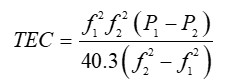
Equation 1
Where
f1 and f2 are the frequencies of L1 and
L2 signal which equal to 1575.42 MHz and 1227.60 MHz, respectively,
P1 and P2 are the pseudo range measurements of
L1 and L2 signal, respectively.
TEC value derived from Equation (1) is the electron density along the
ray path between the satellite and receiver so that it is called "slant
TEC (STEC)". STEC can be converted to vertical total electron content
(VTEC) at the pierce point of the ray path by Equation 2 [32]:

Equation 2
Where z' is zenith angle of satellite which is expressed in
Equation 3:
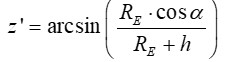
Equation 3
Where RE is the radius of the earth which
approximately equal to 6375 km; α is the GPS satellite elevation angle;
and h is height of iono- spheric layer based on thin-shell
theory, which is 350 km in this study. The unit of TEC is expressed as
TECU (1 TECU = 1016 electrons/m2). The measured
pseudo ranges contain bias values both in satellites and receiver so
called "differential code bias (DCB)". The receiver contains larger DCB
than that of the satellites, thus, the TEC estimation is affected by
receiver DCB than satellite DCB [33]. The DCB values of reference
stations can be obtained from
ftp://ftp.aiub.unibe.ch/CODE,
provided by the university of Bern, thus, equation 2 can be rewritten as
in Equation 4 [34].

Equation 4
Where br and bs are
DCB values of receiver and satellite, respectively.
The earthquake preparation zone (EPZ) is determined as per Equation 5
[35] :
R = 100.43M
Equation 5
Where R is the radius of earthquake preparation area [km] and
Mis the moment magnitude of earthquake.
2.1 Data Collection Data Processing and
Methodology
The moment magnitude of the earthquake is M9.0, according to Equation 5
the radius of EPZ is equivalent to 7,413 km. The boundary of EPZ was
created by applying buffer operation as illustrates in Figure 1.
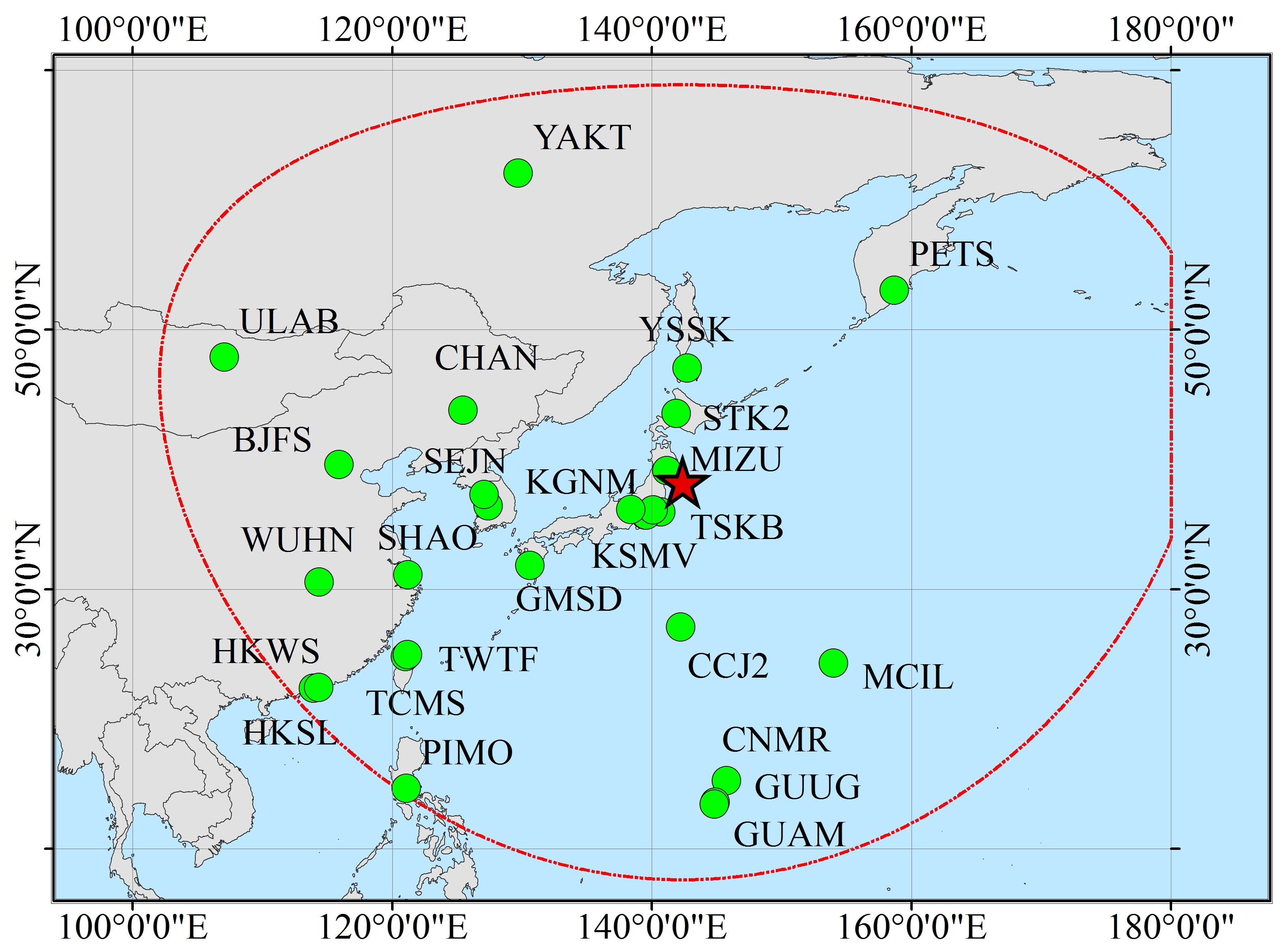
Figure 1 Earthquake preparation zone and selected IGS
for data collection. Red solid star represents the earthquake
epicenter, green solid circle represents IGS reference stations and red
circle represents EPZ
Table 1: Selected IGS reference stations for data
collection
|
Earthquake Event
|
IGS reference stations
|
|
M9.0 Tohoku
on 11 May 2011
|
AIRA BJFS CCJ2 CHAN CNMR DAEJ GUAM GUUG HKSL HKWS
KGNI KSMV MCIL MIZU MTKA PETS PIMO SHAO STK2 SUWN
TCMS TSK2 TSKB TWTF ULAB USUD WUHN YAKT YSSK
|
The data were collected from the International GNSS service (IGS)
reference stations that locate within the earthquake preparation zone
as shown in Figure 1. In this study, the data from 29 IGS reference
stations were collected, the list of the collected data illustrate in
Table 1. The Receiver Independent Exchange Observation (RINEX.o) files
for 10 days before and 5 days after the event were collected from the
stations listed in Table 1. Previous studies have shown that anomalies
were observed on March 8, 2011, which is 3 days prior to the earthquake
event. Therefore, the performance of the ionospheric anomaly detection
method proposed in this study can be validated. The data can be
accessed at ftp://cddis.gsfc.nasa.gov/ gnss/data/daily. The daily data
were recorded from 00:00:00 to 23:59:30 UTC with a sampling rate of 30
seconds. The data were processed using the open-source software
"GPS-TEC," developed by Gopi Seemala, and only the GPS-TEC values were
analyzed. The outputs from the software include both Slant Total
Electron Content (STEC) and Vertical Total Electron Content (VTEC);
however, only the VTEC values were analyzed. The daily mean of VTEC
(AVTEC) and the standard deviation of VTEC (SVTEC) at each reference
station were determined using the following equations:
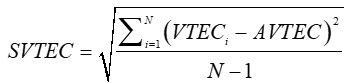
The daily mean of VTEC (AVTEC) as well as standard deviation of VTEC
(SVTEC) at each reference station were determined from Equations 6 and
7 [25].
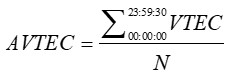
Equation 6
Equation 7
Where AVTEC is the average of VTEC on day-to-day basis, SVTEC is the
standard deviation of AVTEC, N is the total number of measured VTEC
from 00:00:00 to 23:59:30.
The ionospheric anomalies were detected from the variation plots of
AVTEC and SVTEC. Both values were calculated on a day-to-day basis to
ensure that they were not influenced by the TEC values of previous days.
This anomaly detection technique is relatively straightforward and less
complicated to implement compared to conventional techniques, such as
the sliding median approach.
The ionospheric anomalies were further investigated by analyzing the
spatial distribution of AVTEC and SVTEC, which were created using the
ordinary Kriging interpolation technique. This technique is
advantageous because, unlike deterministic interpolation methods that
rely solely on values within the search radius, it also accounts for
statistical relationships, such as spatial autocorrelation, in surface
generation. In this study, the variation of VTEC over the study area,
typically presented by GIMs, was replaced by AVTEC and SVTEC maps. To
investigate the day-to-day variations in VTEC prior to the Tohoku
earthquake, interpolated maps were created for the 10 days and 5 days
before and after the event. Although a running window of 27 days is
typically required to account for periodic changes due to the
short-period oscillation of the ionosphere, previous studies on this
earthquake case showed that anomalies were observed 0-4 days prior to
the event. Since the main objective of this study is to propose an
alternative VTEC anomaly detection approach based on diurnal VTEC, the
10-day and 5-day periods before and after the event were sufficient to
validate whether the results are consistent with previous studies that
used conventional detection techniques.
Although the temporal resolution of GIMs is 2 hours [26], the temporal
resolution of AVTEC and SVTEC maps was set to 1 day as a rough anomaly
scanner. This is because anomalous days can be detected by
significantly high variations in AVTEC/SVTEC compared to previous days.
With this assumption, the variation of VTEC is not influenced or
disturbed by VTEC variations from prior days. The duration of TEC
anomalies during the earthquake preparation period is typically 4-6
hours on anomalous days [26] and [36].
Table 2: Sources of solar activity index and
geomagnetic storm indices
Based on statistical theory, the distribution characteristics of VTEC
values on anomalous days would change due to disturbances in the
dataset caused by the seismo-ionospheric mechanism. Therefore, the
diurnal VTEC (AVTEC) and its standard deviation (SVTEC) on anomalous
days are significantly different from those on other days. According to
this statistical assumption, it is possible to investigate VTEC
anomalies using AVTEC and SVTEC. Finally, the AVTEC/SVTEC variation
maps, with a temporal resolution of 2 hours (similar to GIMs), were
analyzed on anomalous days to investigate whether an anomalous zone
appears within the EPZ.
2.2 Influence of Geomagnetic Storms and Solar Activity to
Ionospheric Perturbation
Ionospheric TEC disturbance is mostly associated with space weathers,
so the influence of the space weather on detected anomalous day must be
investigated in order to determine whether the detected anomaly is
attributed to space weathers or earthquake preparation process. The
magnitude of geomagnetic activity is measured by two indicators as
disturbance storm time index (Dst) and geomagnetic index (Kp).
Solar activity magnitude is presented by solar radio flux at 10.7 cm
index (F10.7). These three indices can be achieved from the
links given in Table 2. It is difficult to determine whether the
anomaly is induced by the influence of an earthquake or space weather
[37] and [38]. The three indices listed in Table 2 were used to
distinguish whether the anomaly was caused by a seismo-ionospheric
event, space activities, or a geomagnetic storm. If the
solar-geomagnetic index exceeds the following limits: |Dst| index <
30 nT, Kp index > 3, and F10.7 > 150.
2.3 Ordinary Kriging Interpolation (ORK)
The variation of VTEC was illustrates by AVTEC and SVTEC maps, the maps
were created by applying geostatistical interpolation technique so
called "Ordinary Kriging (OrK)", this technique is successfully applied
to obtain ionospheric information in SBAS, WAAS or GAGAN [39]. The
assigned weights in this interpolation technique are not only relied on
the distances between unknown points and measured points but spatial
autocorrelation is also taken account in the weight determination, so
that it gives the best linear unbiased prediction values [40][41] and
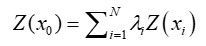
[42]. The prediction values Z(x0) at any locations within
the study were determined from the known values
Z(xi)
, and the weights that derived from variogram as summarized by Equation
8:
Equation 8
Where Z(x0) is the prediction value at x0location,
Z(xi) is the known values that obtained at xilocation
which is AVTEC and SVTEC at x i location in this study, and
is the weight function that depends on the semivariogram, the distance
between prediction and known point, and the spatial relationship among
the known values around the prediction point. The determination of the
weights is based on minimizing the variance of the variable as per
Equation 9.
Var(Z(x + h) – z(x)) = 2γ(|h|)
Equation 9
Where var is the variance function, x and x+h are two adjacent
locations and γ represents the variogram. The expectation of
Z(x+h) and Z(x) is defined in Equation 10.
E(Z(x + h) – z(x)) = 0
Equation 10
Where E is the expectation operator.
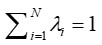
In order to satisfy the unbiasness in the prediction, the difference
between the predictions and true values should be zero. To ensure that
the predictors are unbias for unknown measurement, the sum of the weight
equal to 1 is imposed as Equation 11.
Equation 11
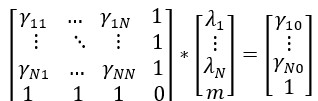
The solution to the minimization, constrained by unbiasness is done by
applying Lagrange method, and the kriging equation is expressed as a
matrix in Equations 12 and 13.
Equation 12

Equation 13
3. Results
The outputs derived from data processing using GPS-TEC software contain
slant TEC (STEC) as well as VTEC values. In this study, only VTEC is
analyzed and discussed. The AVTEC and SVTEC at each reference station
on daily basis were determined.
3.1 Average Diurnal Vertical Total Electron Content (AVTEC)
AVTEC of 10 days before and 5 days after the earthquake events were
plotted for investigating the variation of diurnal VTEC. The variation
of AVTEC of 29 IGS stations illustrates in Figure 2. The figure shows the
variation of AVTEC at each IGS reference station from DOY060 to DOY075.
It can be seen that high variations of AVTEC were observed on DOY062,
DOY064, and DOY067, which are 8 days, 6 days, and 3 days prior to the
earthquake occurrence, respectively. Periodic oscillations were
observed at the TCMS and TWTF stations, both located southwest of the
epicenter. Although the expected normal level of AVTEC at each station
is not known, and it is difficult to define what can be considered an
anomaly, Figure 2 displays that anomalous AVTEC values were observed at
both stations. After DOY067, it is clearly seen that the AVTEC at both
stations decreased, and high variations were no longer observed. The
average AVTEC from DOY060 to DOY066 at TCMS and TWTF were 18.98 TECU and
18.63 TECU, respectively, while the maximum AVTEC values observed on
DOY067 were 31.36 TECU and 31.38 TECU, respectively. The peak of AVTEC
at some stations within the EPZ was also observed on DOY062, DOY064,
and DOY067, but the latter day showed a significant high variation of
AVTEC. The AVTEC variations in the northern part of the study area
showed a flat behavior, and the AVTEC values were relatively low
compared to the southern part.
The AVTEC at PIMO also showed a high value compared to the other
stations. The AVTEC at PIMO gradually increased from 20.48 TECU on
DOY060 and reached its peak of 33.02 TECU on DOY071. The variation of
AVTEC at GUUG, GUAM, and CNMR, which are located at the same latitude
as PIMO, exhibited the same behavior as at PIMO. However, periodic
oscillations were not observed as they were at TCMS and TWTF. To
investigate the spatial distribution of AVTEC over the study area, time
series AVTEC maps from DOY060 to DOY075 (1–16 May 2011) were created
using the ordinary Kriging interpolation technique. The time series map
of AVTEC is illustrated in Figure 3. The spatial distribution of AVTEC
over the study area, illustrated in Figure 3, clearly shows that the
AVTEC at lower latitudes contains higher AVTEC values than those at
higher latitudes. This is because the electron density along these
latitudes is influenced by the northern crest of the equatorial
fountain, which occurs only during the daytime. AVTEC anomalies were
significantly observed on DOY064 and DOY067 in the southwest of the
epicenter.
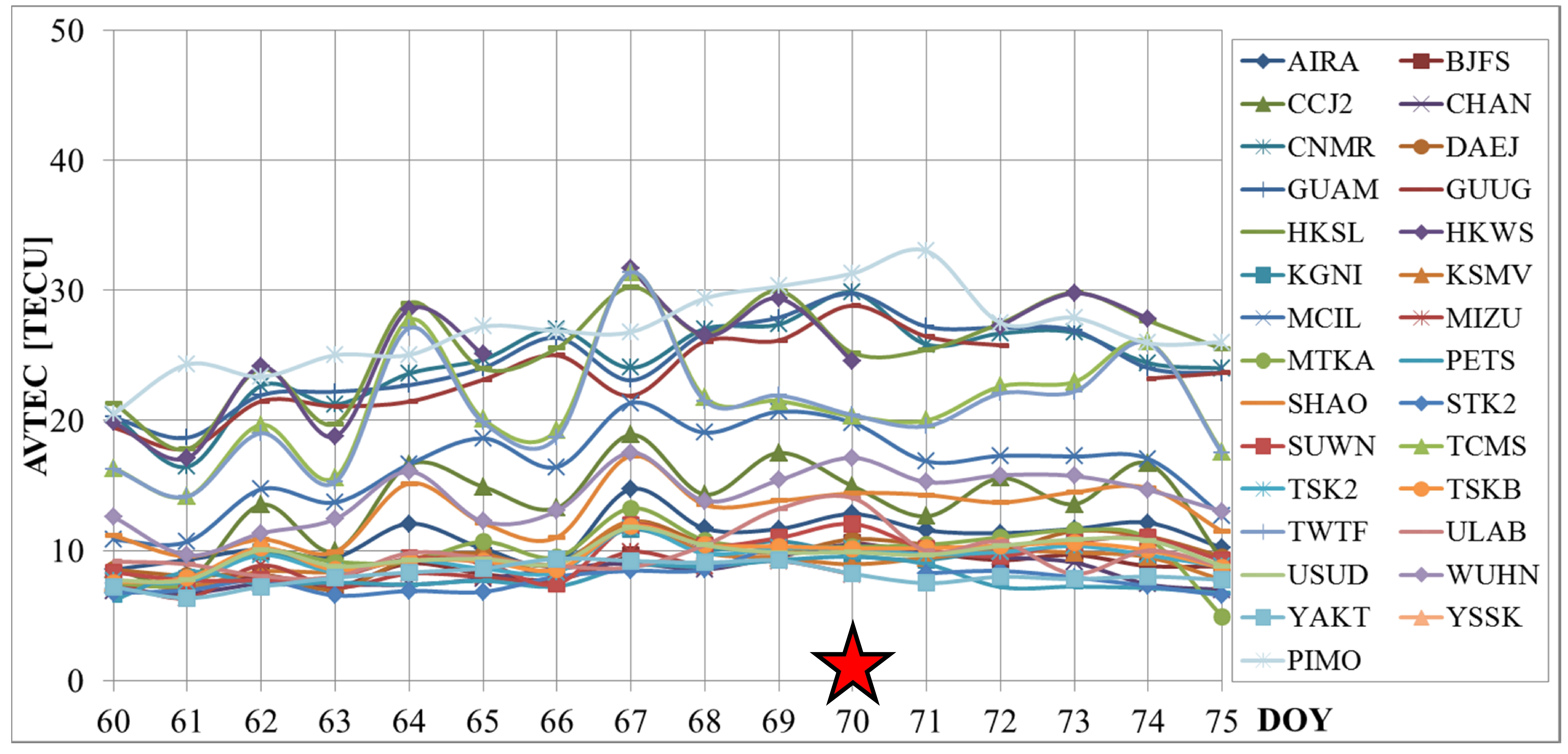
Figure 2: TEC anomaly detection from diurnal AVTEC.
Red star represents the day of earthquake event
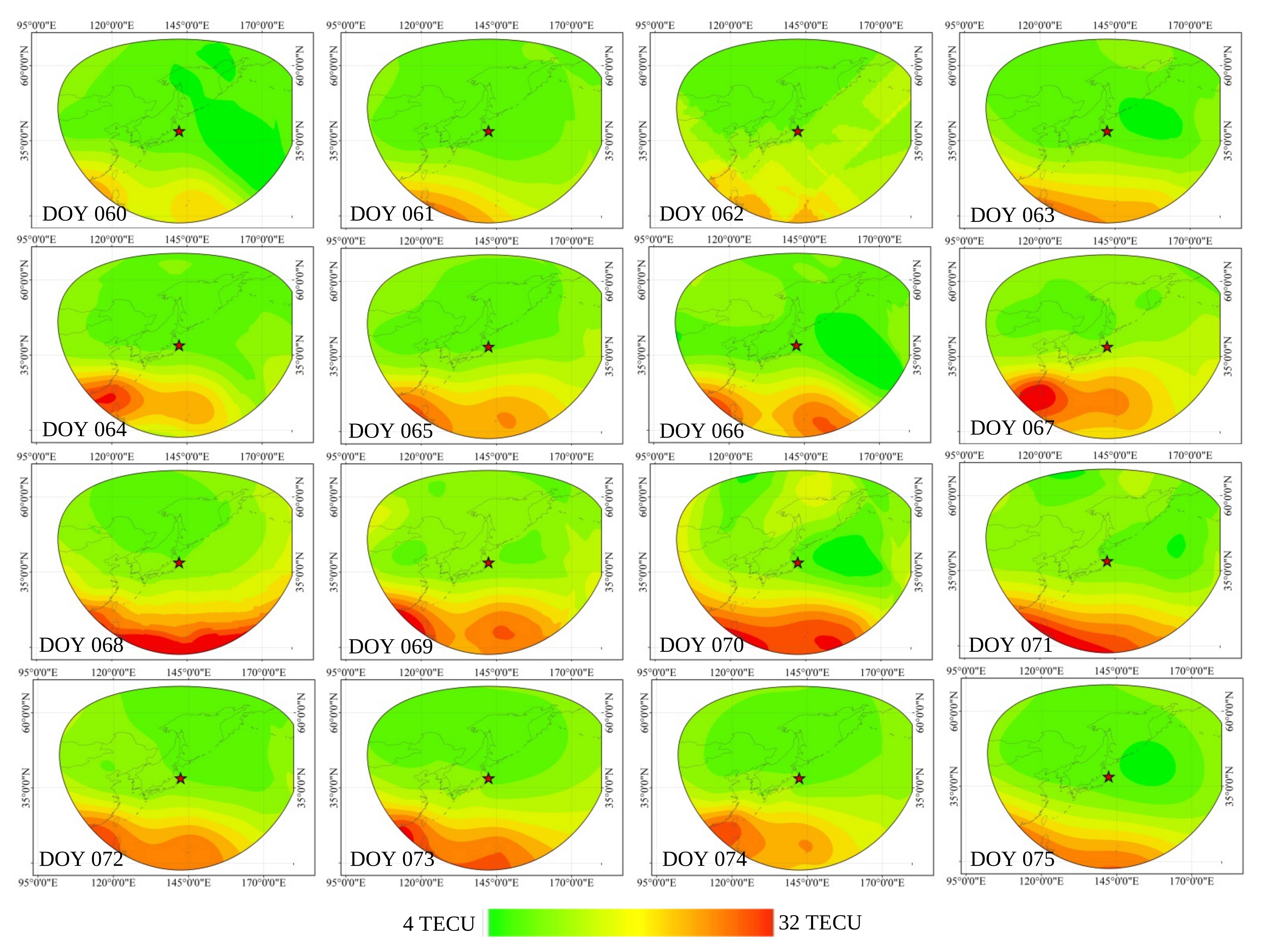
Figure 3: Time-series map of AVTEC from May 1, 2011 to
May 16, 2011 (DOY060 to DOY075).
Red solid star represents the earthquake epicenter
However, it is difficult to determine whether the AVTEC anomalies on
these days could be considered pre-seismic signatures of the Tohoku
earthquake, as the anomalous zone remained in the southwest of the
epicenter even after the earthquake occurred. The interpolated maps
reveal that the distribution of AVTEC in the study area was mainly
influenced by the AVTEC values at the IGS stations located at lower
latitudes.
3.2 Standard Deviation of Diurnal Vertical Total Electron Content
(SVTEC)
According to the previous studies, on the anomalous day, the VTEC
anomalies occurred between 12:00LT and 18:00LT with the duration of
about 2 hours, so that the electron content was likely to be disturbed
by the exceeding particle charges generated by earthquake preparation
process and caused the variation in data distribution. The assumption
of the VTEC anomaly detection derives from the daily standard deviation
of VTEC (SVTEC) is that an abnormal peak of SVTEC will be observed on
the anomalous day because the standard deviation of VTEC on anomalous
day should be higher than the ordinary days. The time series
distribution plot of SVTEC 10 days before and 5 days after the
earthquake illustrates in Figure 4.
Figure 4 illustrates that the characteristics of SVTEC oscillation are
similar to those of AVTEC, with abnormal peaks observed on DOY062,
DOY064, and DOY067, which were 8 days, 6 days, and 3 days prior to the
earthquake occurrence, respectively. The maximum SVTEC values appeared
at TCMS and TWTF on DOY067. Since the distance between these two IGS
reference stations is approximately 24.76 km, the difference in SVTEC
values between the stations was a maximum of 0.57 TECU. The SVTEC at
HKWS and HKSL was also higher compared to the other stations on DOY067,
but no significant variation in SVTEC at these stations was observed.
The average SVTEC from DOY060 to DOY066 at TCMS and TWTF was 15.17 TECU
and 14.98 TECU, respectively, while the maximum SVTEC values observed
on DOY067 were 24.31 TECU and 24.15 TECU, respectively.
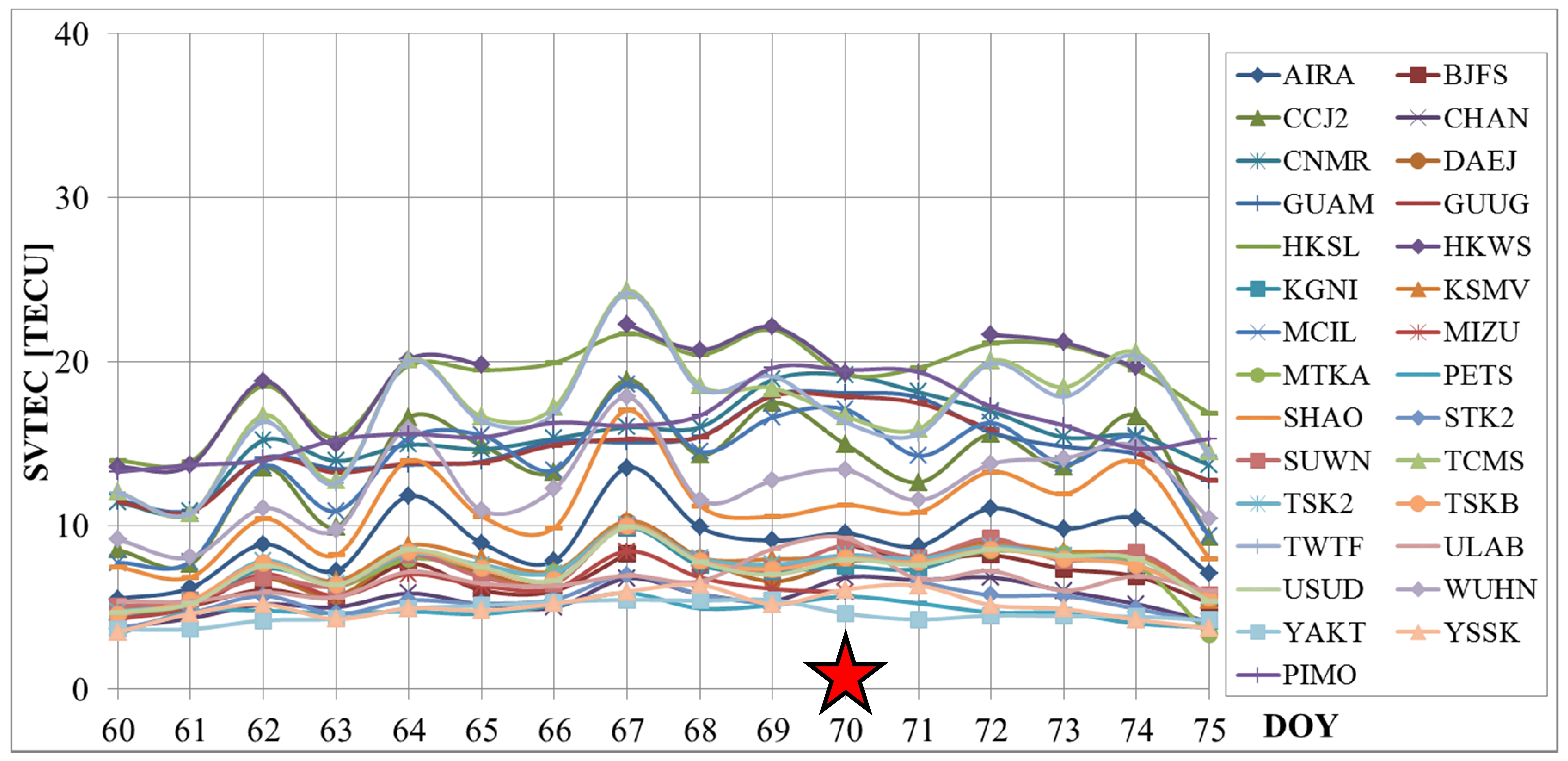
Figure 4: TEC anomaly detection from diurnal SVTEC.
Red
star represents the day of earthquake event
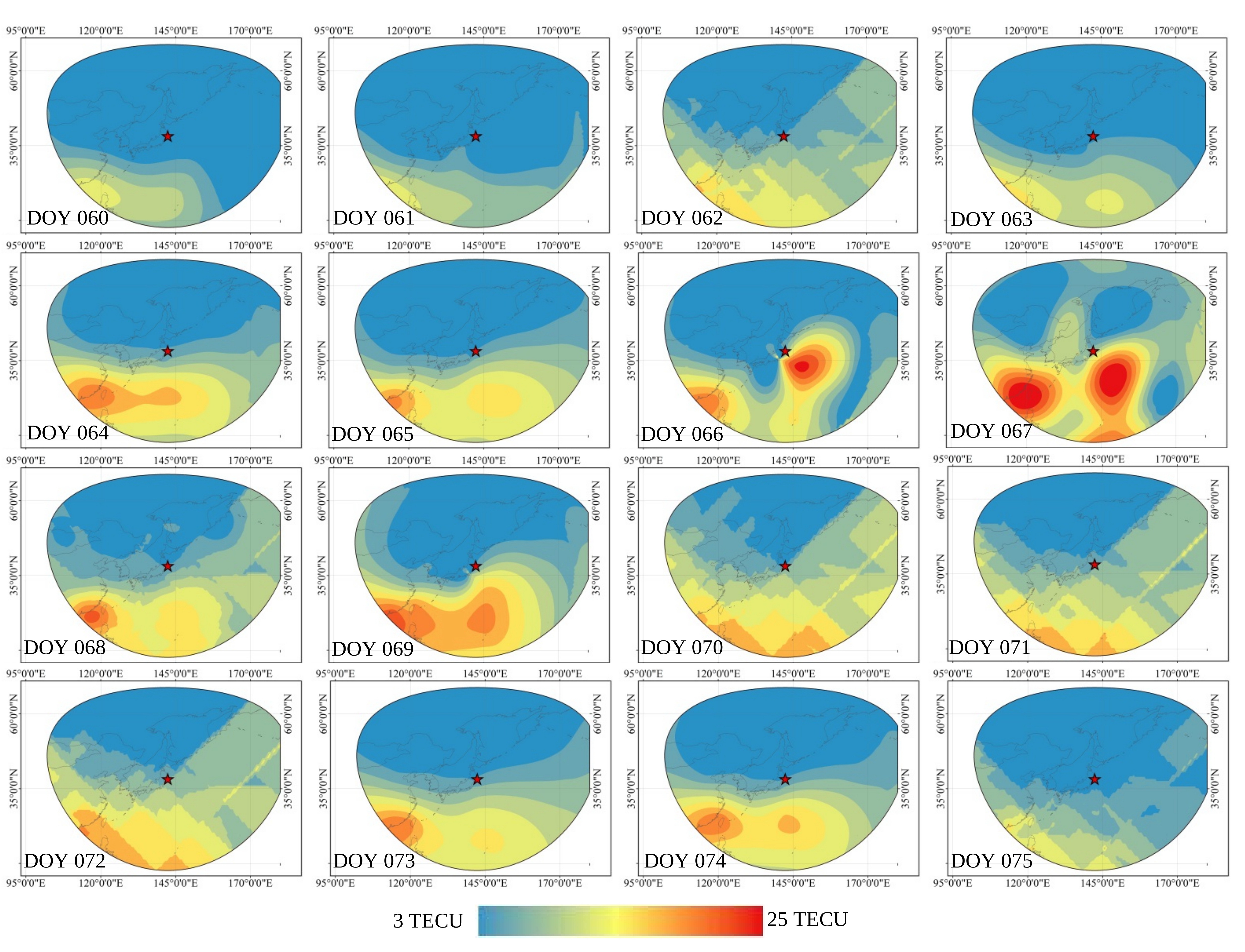
Figure 5: Time-series map of SVTEC from May 1, 2011 to
May 16, 2011 (DOY060 to DOY075)
Red solid star represents the earthquake epicenter
Thus, the high variations in SVTEC on DOY067 are likely to be
considered as SVTEC anomalies prior to the Tohoku earthquake. To
investigate the spatial variations of SVTEC over the study area, a
statistical interpolation technique called "Ordinary Kriging" was used
to generate SVTEC distribution maps. The maps were generated on a
day-to-day basis to identify the anomalous days. The time series of
SVTEC spatial distribution from DOY060 to DOY075 (May 1, 2011, to May
16, 2011) is illustrated in Figure 5. The spatial distribution of SVTEC
in Figure 5 shows that the characteristics of SVTEC variation were
similar to those of AVTEC, with SVTEC concentration inversely
proportional to latitude.
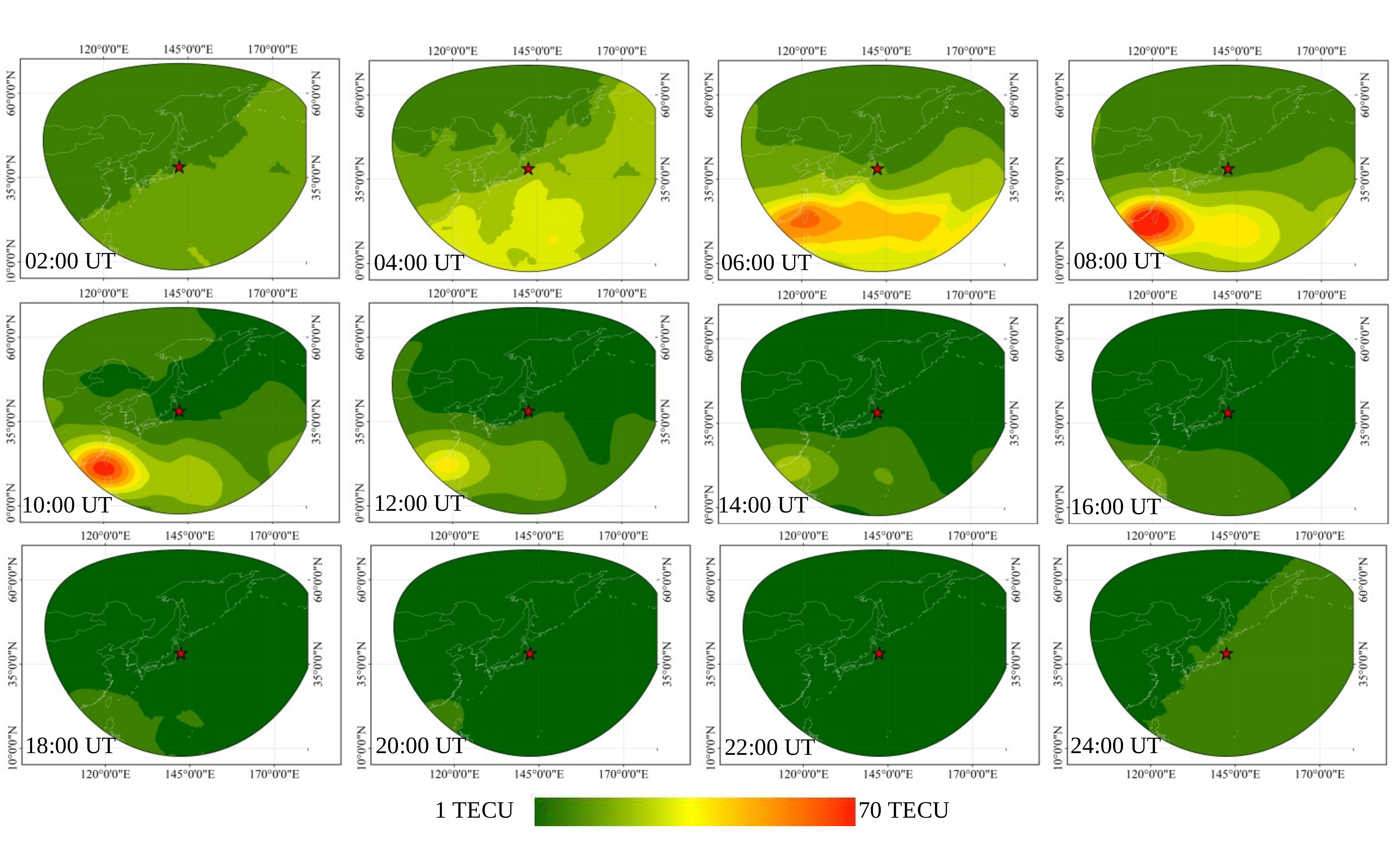
Figure 6: Spatial distribution of regional VTEC from
02:00UT to 24:00 UT on March 8, 2008
Red solid star represents the earthquake epicenter
However, the abnormal SVTEC zone was more significant than the AVTEC
zone. According to Figure 5, the SVTEC anomalous zone was first
observed on DOY064 in the southwest of the epicenter, the same region as
the AVTEC anomaly. The anomalous zone then clearly reappeared in the
southeast direction of the epicenter on DOY066 and reached its peak
value on DOY067. Thus, it is suspected that the SVTEC anomalies on
DOY066 and DOY067 were most likely associated with the Tohoku
earthquake, as the anomalous zone was located very close to the
earthquake epicenter.
To assess the performance of the AVTEC and SVTEC distribution maps
modeled by the Ordinary Kriging Interpolation (OrK) technique, the VTEC
on DOY067 (the anomalous day) was created with a temporal resolution of
two hours, as GIMs. This allows the consistency of the results between
the interpolated maps and GIMs to be evaluated. The output maps are
illustrated in Figure 6. Basically, the distribution of VTEC is
presented by global ionospheric maps (GIMs) generated from IGS-GPS data
with spherical harmonic expansion and is utilized for identifying VTEC
anomalous zones. However, in this study, GIMs were replaced by
OrK-interpolated maps with the same temporal resolution of two hours as
the GIMs. Figure 6 shows the variation of VTEC on the anomalous day
(May 8, 2011) from 02:00 UT to 24:00 UT. It is clearly seen that VTEC
started increasing from 06:00 UT, reached its maximum level from 08:00
UT to 10:00 UT, and gradually decreased afterward. The anomalous zone
was located in the southwest of the epicenter, in the same region as
the AVTEC and SVTEC anomalous zones on DOY067. In terms of time and
space, the results are consistent with previous studies [27] and [43].
Thus, it is reasonable to infer that the VTEC distribution can be
represented by OrK-interpolated maps because they provide equivalent or
even better output maps compared to GIMs.
3.3 Influence of Solar Activity and Geomagnetic Storm
The electron density in the ionosphere is normally affected by solar
activities and geomagnetic storms. Therefore, the levels of both
phenomena on the anomalous days were monitored to investigate whether
the VTEC anomaly is attributed to such phenomena or to the earthquake
preparation process. The magnitude of geomagnetic activity is indicated
by two indices: the disturbance storm time index (Dst) and the
geomagnetic index (Kp). When the ionosphere is disturbed by a
geomagnetic storm, the values of |Dst| < 30 nT and Kp > 3 are
observed. The magnitude of solar activity is indicated by the solar
radio flux at the 10.7 cm index (F10.7). If the index is greater than
150 SFU, it indicates that the ionosphere is disturbed by solar
activities.
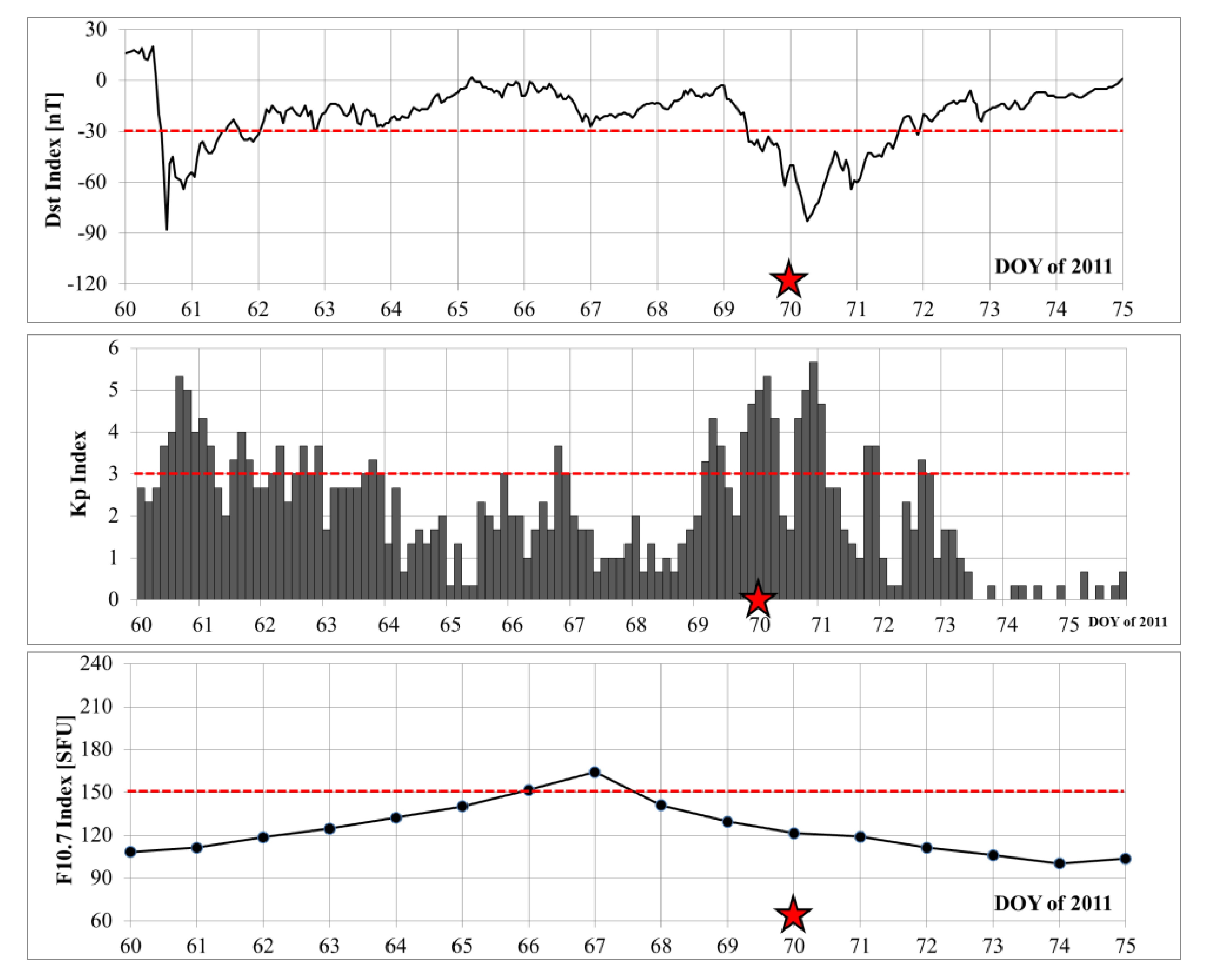
Figure 7: Variations of geomagnetic
storm indices ( Dst and Kp) and solar activity index
(F10.7) from DOY060 to DOY 075 (May 1, 2011 to May 16, 2011)
red sold star represents Tohoku earthquake event day,
and red dashed line represents geomagnetic storm and solar activity thresholds
According to Section 3.1 and Section 3.2, the anomalous day was detected on
May 8, 2011, three days prior to the earthquake occurrence. To exclude the
influence of geomagnetic storms and solar activities from the ionospheric
disturbance, the levels of such phenomena were monitored. Figure 7 shows
the variations in the geomagnetic storm and solar activity indices from 10
days before to 5 days after the earthquake (DOY060 to DOY075 of 2011).
Figure 7 shows that the ionosphere was disturbed by geomagnetic storms
during DOY060 to DOY062 and DOY069 to DOY073 because the |Dst| and Kp
indices were greater than 30 nT and 3, respectively. However, on the
anomalous day (DOY067), the maximum values of |Dst| and Kp were 24 nT and
2-, respectively. Thus, DOY067 is considered a geomagnetic activity quiet
day, and the enhancement of TEC on DOY067 was not associated with
geomagnetic activity. To check whether the ionosphere was disturbed by solar
activity, the F10.7 index from DOY060 to DOY075 was also investigated.
Figure 7 shows that F10.7 gradually increased from 108.5 SFU on DOY060 and
reached its peak of 164.3 SFU on DOY067, after which the solar activity
index gradually decreased. The solar activity index F10.7 on DOY067
indicated that the ionosphere was likely disturbed by solar activity.
Therefore, it is questionable whether the TEC anomaly on DOY067 was caused
by the earthquake preparation process or by solar activity. An empirical
and theoretical ionospheric model, called NeQuick and TIME-IGGCAS, was
utilized to investigate whether the TEC enhancement on DOY067 was related
to solar activity. The simulations of both ionospheric models show that the
solar activity was not high enough to produce significant TEC enhancement
on DOY067 [27].
4. Discussion
The results in the previous section show that TEC anomalies can be detected
from the daily mean and standard deviation of diurnal VTEC, abbreviated as
AVTEC and SVTEC, respectively. The variation plot of AVTEC exhibited
characteristics similar to those of SVTEC, where abnormal variations were
observed on DOY062, DOY064, and DOY067. To investigate the spatial
distribution of VTEC over the study area, AVTEC and SVTEC distribution maps
were generated using the geostatistical interpolation technique known as
"Ordinary Kriging." The AVTEC maps show that the concentration of AVTEC in
low latitudes was higher than that in higher latitudes because the electron
density in low latitudes is influenced by the equatorial anomaly crest. The
suspected anomalous day was first observed on DOY064, when anomalous AVTEC
zones emerged in the southwest of the epicenter, and these zones
significantly appeared again on DOY067 in the same region as on DOY064.
However, it is difficult to determine whether the abnormal AVTEC on the
suspected dates was associated with the Tohoku earthquake.
The SVTEC variation maps show that the abnormal SVTEC distribution areas
first emerged on DOY064 in the southwest of the epicenter. The anomalous
SVTEC area was then significantly observed very close to the epicenter in
the southeast direction on DOY066, and again, the anomalous SVTEC
significantly appeared on DOY067, corresponding to the day-to-day SVTEC
variation plot. Moreover, such a significant anomaly could not be observed
on other days. Thus, DOY067 is likely to be considered as the ionospheric
anomalous day. The day-to-day variation of VTEC is high, and it is difficult
to determine the expected normal values of SVTEC. One might argue that the
anomalous day derived from SVTEC with a temporal resolution of one day may
not be suitable for representing TEC variation. According to statistical
principles, the dispersion of data distribution is defined by the standard
deviation. The larger the standard deviation, the more the data spread out
from its mean value. Thus, the variability of TEC is likely to be measured
by the standard deviation. Large variations in ionospheric TEC cannot be
generated if sudden changes in VTEC do not occur in the solar-terrestrial
environment. The ionospheric TEC is disturbed not only by geomagnetic
activity or solar activity but also by the LAI mechanism during the
earthquake preparation process. Therefore, the pre-seismic signature is
likely to be detected by the standard deviation of VTEC, abbreviated as
SVTEC in this study.
The SVTEC distribution maps in the previous section show that anomalous
SVTEC emerged very close to the earthquake epicenter in the southeast and
southwest of the epicenter on DOY066. However, a weak geomagnetic storm
with Kp = 4 occurred on that day, so it is questionable whether DOY066
could be considered as a pre-seismic anomalous day. A stronger SVTEC
anomaly was also observed on DOY067, although geomagnetic activity was
quiet, the ionosphere was disturbed by solar activity. The influence of
solar activity was investigated to check whether the ionosphere was
disturbed by such a phenomenon. Empirical models such as NeQuick and
theoretical models like TIME-IGGCAS were adopted to simulate the change in
electron density in the ionosphere under solar storm conditions.
The simulations from both models revealed that the solar activity on DOY067
was not high enough to produce significant TEC in the ionosphere. Thus,
solar and geomagnetic activities were not the main factors contributing to
the ionospheric variation on DOY067. It can be inferred that the anomalous
SVTEC on DOY067 was caused by the LAI mechanism during the earthquake
preparation process. This result is consistent with previous studies, which
observed anomalous days on DOY067 (May 8, 2011), three days prior to the
earthquake occurrence [26][27] and [43].
Basically, in conventional pre-seismic signature detection techniques, TEC
distribution is represented by GIMs with a temporal resolution of two
hours. However, GIMs illustrate TEC distribution on a global scale, while
real observations from GPS receivers cannot be provided [27] because the
TEC surfaces are modeled from IGS reference stations located around the
globe. In order to investigate local VTEC variation on the anomalous day,
GIMs were replaced by VTEC variation maps, which were generated based on
the Kriging interpolation technique. The results of the interpolated maps,
with the same temporal resolution as GIMs, show that anomalous VTEC emerged
significantly between 06:00 UT and 10:00 UT in the southwest of the
epicenter. It is clearly seen that the interpolated maps provide equivalent
or even better results compared to GIMs, because the anomalous VTEC was
obviously observed within the EPZ, while the coverage area of anomalous
VTEC derived from GIMs was larger than that of the interpolated maps [44].
In a previous study, GIMs also showed that the VTEC anomalous zone was
observed in the equatorial crests [27], so it is questionable whether the
anomaly was caused by the LAI mechanism or the equatorial fountain effect.
5. Conclusions
In this paper, ASK-VTEC technique was utilized to detect pre-seismic
signature of M9.0 Tohoku-Oki earthquake that occurred on May 11, 2011. The
daily mean of VTEC (AVTEC) and its standard deviation (SVETC) were utilized
in the analytical process. The variation plots of both values as well as
their spatial distribution maps with the temporal resolution of one day were
considered as preliminary detection of pre-seismic signal, after the
anomalous day was observed, the VTEC spatial distribution maps with
temporal resolution of two hours were utilized for investigating the VTEC
variation in more details. The results confirm that the pre-seismic
signature detection technique proposed in this study were consistent with
the previous studies in terms of time and space, because the VTEC anomaly
derived by this technique was also observed on May 8, 2011 (DOY067), three
days prior to the earthquake event day, and the anomalous zone was observed
in the southwest of the epicenter around 06:00UT to 10:00 UT as the
previous studies. The advantage of ASK-VTEC pre-seismic signature detection
technique over the conventional ones is that the VTEC is analyzed based on
diurnal basis without running background values as sliding IQR or sliding
mean, so that the AVTEC and SVTEC will not be polluted by anomalies or
perturbations coming from the previous day, especially, the days that
disturbed by geomagnetic activity or solar activity. Thus, this approach
can be used as an alternative approach to investigate pre-seismic signature
in the ionosphere because the analytical process is less complex compared
to the conventional technique but equivalent or better results can be
achieved.
6. Recommendation
The data used in this study were collected from the IGS network in 2011. At
that time, the availability of IGS stations was lower compared to today. To
improve the reliability and accuracy of the AVTEC/SVTEC maps, data from the
CORE network should be integrated into the analysis. However, in cases
where the earthquake magnitude is below 6, anomalies may not be detectable
because the radius of the EPZ is smaller compared to larger magnitude
earthquakes, meaning that only a few IGS stations may be located within the
EPZ, which may not be sufficient for analysis. To further enhance the
performance and reliability of the pre-seismic signature detection method
proposed in this study, additional cases of M7.0+ earthquakes should be
examined to assess the consistency of the results with previous studies that
used conventional techniques.
7. Data Availability Statement
The data that support the results in this research are openly available in
NASA's Crustal Dynamics Data Information System (CDDIS), World Data Center
for Geomagnetism of Kyoto University, NASA's Goddard Space Flight Center
(OMNIWeb Plus) at https://cddis.nasa.gov/, http://wdc.kugi.kyoto-u.ac.jp/,
and http://wdc.kugi.kyoto-u.ac.jp/, respectively.
References
[1] Davies, K. and Baker, D. M., (1965). Ionospheric Effects Observed
Around the Time of the Alaskan Earthquake of March 28, 1964.
Journal of Geophysical Research
, Vol. 70(1965), 2251–2253.
https://doi.org/10.1029/JZ070i009p02251.
[2] Tojiev, S. R., Ahmedov, B. J., Tillayev, Y. A. and Eshkuvatov, H.
E., (2013). Ionospheric Anomalies of Local Earthquakes Detected by GPS TEC
Measurements Using Data from Tashkent and Kitab Stations.
Advances in Space Research
, Vol. 52(6), 1146–1154.
https://doi.org/10.1016/j.asr.2013.06.011.
[3] Dautermann, T., Calais, J., E. and Haase, J., (2007). Garrison,
Investigation of Ionospheric Electron Content Variations Before Earthquakes
in Southern California, 2003-2004,
Journal of Geophysical Research: Solid Earth
, Vol. 112(B2), 2003–2004.
https://doi.org/10.1029/2006JB004447.
[4] Hayakawa, M., (2016). Earthquake Prediction with Electromagnetic
Phenomena. AIP Conference Proceedings, Vol. 1709(1).
https://doi.org/10.1063/1.4941201.
[5] Li, M., Kong, W., Yue, C., Song, S., Yu, C., Xie, T. and Lu, X.,
(2018). An Estimation of "Energy" Magnitude Associated with a Possible
Lithosphere-Atmosphere-Ionosphere Electro-magnetic Coupling Before the
Wenchuan MS8.0 Earthquake.
Earthquakes - Forecast, Prognosis and Earthquake Resistant Construction
.
https://doi.org/10.5772/intechopen.75880.
[6] Piersanti, M., Materassi, M., Battiston, R., Carbone, V., Cicone,
A., D'Angelo, G., Diego, P. and Ubertini, P., (2020).
Magnetospheric–Ionospheric–Lithospheric Coupling Model. 1: Observations
During the 5 August 2018 Bayan Earthquake. Remote Sensing, Vol.
12, 1–25.
https://doi.org/10.3390/rs12203299.
[7] Freund, F., (2013). Earthquake Forewarning - A Multidisciplinary
Challenge from the Ground up to Space. Acta Geophysica, Vol. 61(4).
https://doi.org/10.2478/s11600-0130130-4.
[8] Yan, X., Yu, T., Shan, X. and Xia, C., (2017). Ionospheric TEC
Disturbance Study Over Seismically Region in China.
Advances in Space Research
, Vol. 60(12), 2822–2835.
https://doi.org/10.1016/j.asr.2016.12.004.
[9] Freund, F., T., Kulahci, I., G., Cyr, G., Ling, J., Winnick, M.,
Tregloan-Reed, J. and Freund, M. M., (2009). Air Ionization at Rock Surfaces
and Pre-Earthquake Signals.
Journal of Atmospheric and Solar-Terrestrial Physics
, Vol. 71(17), 1824–1834.
https://doi.org/10.1016/j.jastp.2009.07.013.
[10] Sharma, G., Champati Ray, P., K., Mohanty, S. and Kannaujiya, S.,
(2017). Ionospheric TEC Modelling for Earthquakes Precursors from GNSS Data.
Quaternary International, Vol. 462, 65–74.
https://doi.org/10.1016/j.quaint.2017.05.007.
[11] Dahlgren, R. P., Johnston, M. J. S., Vanderbilt, V. C. and Nakaba, R.
N., (2014). Comparison of the Stress-Stimulated Current of Dry and
Fluid-Saturated Gabbro Samples.
Bulletin of the Seismological Society of America
, Vol. 104(6), 2662–2672.
https://doi.org/10.1785/0120140144.
[12] Devi̇Ren, M. N. and Arikan, F., (2018). IONOLAB-MAP: An Automatic
Spatial Interpolation Algorithm for Total Electron Content.
Turkish Journal of Electrical Engineering and Computer Sciences
, Vol. 26(4), 1933–1945.
https://doi.org/10.3906/elk1611-231.
[13] Liu, J. Y., Chen, Y. I., Chen, C. H., Liu, C. Y., Chen, C. Y.,
Nishihashi, M., Li, J. Z., Xia, Y. Q., Oyama, K. I., Hattori, K. and Lin, C.
H., (2009). Seismoionospheric GPS Total Electron Content Anomalies Observed
before the 12 May 2008 Mw7.9 Wenchuan Earthquake.
Journal of Geophysical Research: Space Physics
, Vol. 114(A04320), 1–10.
.
https://doi.org/10.1029/2008JA013698
[14] Thammaboribal, P. and Tripathi, N. K., (2024). Predicting Land Use
and Land Cover Changes in Pathumthani, Thailand: A Comprehensive Analysis
from 2013 to 2023 Using Landsat Satellite Imagery and CA-ANN Algorithm,
with Projections for 2028 and 2038.
International Journal of Geoinformatics
, Vol. 20(5), 13–27.
https://doi.org/10.52939/ijg.v20i5.3225.
[15] Paluang, P., Thavorntam, W. and Phairuang, W., (2024). Application of
Multilayer Perceptron Artificial Neural Network (MLP-ANN) Algorithm for
PM2.5 Mass Concentration Estimation during Open Biomass Burning Episodes in
Thailand. International Journal of Geoinformatics, Vol. 20(7),
28–42.
https://doi.org/10.52939/ijg.v20i7.3401.
[16] Benchelha, N., Bezza, M., Belbounaguia, N., Benchelha, S. and
Benchelha, M., (2022). Modeling Dynamic Urban Growth Using Cellular Automata
and Geospatial Technique: Case of Casablanca in Morocco.
International Journal of Geoinformatics
, Vol. 18(5), 27–40.
https://doi.org/10.52939/ijg.v18i5.2369.
[17] Akhoondzadeh, M., (2014). Thermal and TEC Anomalies Detection Using
an Intelligent Hybrid System Around the Time of the Saravan, Iran, (M W =
7.7) Earthquake of 16 April 2013. Advances in Space Research, Vol.
53(4), 647–655.
https://doi.org/10.1016/j.asr.2013.12.017.
[18] Alam, A., Wang, N., Zhao, G. and Barkat, A., (2020). Implication of
Radon Monitoring for Earthquake Surveillance Using Statistical Techniques: A
Case Study of Wenchuan Earthquake. Geofluids, Vol. 2020.
https://doi.org/10.1155/2020/2429165.
[19] Pandey, U., Singh, A. K., Kumar, S. and Singh, A. K., (2018).
Seismogenic Ionospheric Anomalies Associated with the Strong Indonesian
Earthquake Occurred on 11 April 2012 (M = 8.5).
Advances in Space Research
, Vol. 61(5), 1244–1253.
https://doi.org/10.1016/j.asr.2017.12.022.
[20] Wielgosz, P., Grejner-Brzezinska, D. and Kashani, I., (2003).
Regional Ionosphere Mapping with Kriging and Multiquadric Methods.
The Journal of Global Positioning Systems
, Vol. 2(1), 48–55.
https://doi.org/10.5081/jgps.2.1.48.
[21] Li, M., Yuan, Y., Wang, N., Li, Z., Liu, X. and Zhang, X., (2018).
Statistical Comparison of Various Interpolation Algorithms for
Reconstructing Regional Grid Ionospheric Maps Over China.
Journal of Atmospheric and Solar-Terrestrial Physics
, Vol. 172, 129–137.
https://doi.org/10.1016/j.jastp.2018.03.017.
[22] Gao, Y. and Liu, Z. Z., (2002). Precise Ionosphere Modeling Using
Regional GPS Network Data.
The Journal of Global Positioning Systems
, Vol. 1(1), 18–24.
https://doi.org/10.5081/jgps.1.1.18.
[23] Zhang, Q. and Wang, J., (2019). VTEC Reconstruction of the
Ionospheric Grid with Kriging Interpolation.
IOP Conference Series: Earth and Environmental Science
, Vol. 237(6).
https://doi.org/10.1088/1755-1315/237/6/062001.
[24] Ihsan, H., Astari, A., Bratanegara, A., Aliyan, S. and Wulandari, E.,
(2021). The Comparison of Spatial Models in Peak Ground Acceleration (PGA)
Study. International Journal of Geoinformatics, Vol. 17(6), 27–33.
https://doi.org/10.52939/ijg.v17i6.2061.
[25] Thammaboribal, P., Tripathi, N. K., Ninsawat, S. and Pal, I., (2022).
Earthquake Precursory Detection Using Diurnal GPS-TEC and Kriging
Interpolation Maps: 12 May 2008, Mw7.9 Wenchuan Case Study.
MethodsX
, Vol. 9.
https://doi.org/10.1016/j.mex.2022.101617.
[26] Fuying, Z. and Yun, W., (2011). Anomalous Variations in Ionospheric
TEC Prior to the 2011 Japan Ms9.0 Earthquake.
Geodesy and Geodynamics
, Vol. 2(3), 8–11.
https://doi.org/10.3724/sp.j.1246.2011.00008.
[27] Le, H., Liu, L., Liu, J., Y., Zhao, B., Chen, Y. and Wan, W., (2013).
The Ionospheric Anomalies Prior to the M9.0 Tohoku-Oki Earthquake.
Journal of Asian Earth Sciences
, Vol. 62, 476–484.
https://doi.org/10.1016/j.jseaes.2012.10.034.
[28] Fazilova, D., Makhmudov, M. and Magdiev, K., (2023). Analysis of
Crustal Movements in the Angren-Almalyk Mining Industrial Area Using GNSS
Data. International Journal of Geoinformatics, Vol. 19(11), 12–19.
https://doi.org/10.52939/ijg.v19i11.2915.
[29] Mustafin, M., Nasrullah, M. and Abboud, M., (2024). A Comparative
Analysis of GNSS Processing Services for Static Measurements: Evaluating
Accuracy and Stability at Different Observation Periods.
International Journal of Geoinformatics
, Vol. 20(9), 112–121.
https://doi.org/10.52939/ijg.v20i9.3553.
[30] Kandil, I., Awad, A. and El-Mewafi, M., (2023). Role of
Multi-Constellation GNSS in the Mitigation of the Observation Errors and the
Enhancement of the Positioning Accuracy.
International Journal of Geoinformatics
, Vol. 19(4), 25–35.
https://doi.org/10.52939/ijg.v19i4.2631.
[31] Blewitt, G., (1990). An Automatic Editing Algorithm for GPS Data.
Geophysical Research Letters, Vol. 17(3), 199–202.
https://doi.org/10.1029/GL017i003p00199.
[32] Ma, G. and Maruyama, T., (2003). Derivation of TEC and Estimation of
Instrumental Biases from GEONET in Japan. Annals of Geophysics,
Vol. 21(10), 2083–2093.
https://doi.org/10.5194/angeo-21-2083-2003.
[33] Choi, B. K., Lee, W. K., Cho, S. K., Park, J. U. and Park, P. H.,
(2010). Global GPS Ionospheric Modelling Using Spherical Harmonic: Expansion
Approach. Journal of Astronomy and Space Sciences, Vol. 27(4),
359–366.
https://doi.org/10.5140/JASS.2010.27.4.359.
[34] Schaer, S., (1999).
Mapping and Predicting the Earth's Ionosphere Using the Global
Positioning System, Institut für Geodäsie und Photogrammetrie
, Eidg. Technische Hochschule Zürich. [Online]. Available;
https://books.google.co.th/books?id=zinKAAAACAAJ"
[Accessed: Sep. 19, 2024].
[35] Dobrovolsky, I. P., Zubkov, S. I. and Miachkin, V. I., (1979).
Estimation of the Size of Earthquake Preparation Zones.
Pure and Applied Geophysics
, Vol. 117, 1025–1044.
https://doi.org/10.1007/BF00876083.
[36] Wang, L., Jinyun, G., Xuemin, Y. and Honguan, Y., (2014). Analysis of
Ionospheric Anomaly Preceding the Mw7. 3 Yutian Earthquake.
Geodesy and Geodynamics
, Vol. 5(2), 54–60.
https://doi.org/10.3724/sp.j.1246.2014.02054.
[37] Zhu, F., Lin, J., Su, F. and Zhou, Y., (2016). A Spatial Analysis of
the Ionospheric TEC Anomalies Prior to M7.0+ Earthquakes during 2003–2014.
Advances in Space Research, Vol. 58(9), 1732–1738.
https://doi.org/10.1016/j.asr.2016.06.040"
[38] Jiang, W., Ma, Y., Zhou, X., Li, Z., An, X. and Wang, K., (2017).
Analysis of Ionospheric Vertical Total Electron Content before the 1 April
2014 Mw 8.2 Chile Earthquake. Journal of Seismology, Vol. 21,
1599–1612.
https://doi.org/10.1007/s10950-017-9684-y.
[39] Rodríguez-Bouza, M., Paparini, C., Otero, X., Herraiz, M., Radicella,
S. M., Abe, O. E. and Rodríguez-Caderot, G., (2017). Southern European
Ionospheric TEC Maps Based on Kriging Technique to Monitor Ionosphere
Behavior. Advances in Space Research, Vol. 60(8), 1606–1616.
https://doi.org/10.1016/j.asr.2017.05.008.
[40] Pantolla, H., Malay, C., Leonisa, M., Reyes Jr., R. and Legaspi, M.,
(2024). Geostatistical Exploration of Some Water Quality Clusters in Laguna
Lake, Philippines. International Journal of Geoinformatics, Vol.
20(4), 1–18.
https://doi.org/10.52939/ijg.v20i4.3143.
[41] Noinak, M., Charoenphon, C., Weerawong, K. and Satirapod, C., (2022).
Testing Horizontal Coordinate Correction Model Used for Transformation from
PPP GNSS Technique to Thai GNSS CORS Network Based on ITRF2014.
International Journal of Geoinformatics
, Vol. 18(3), 55–64.
https://journals.sfu.ca/ijg/index.php/journal/article/view/2203.
[42] Charoenkalunyuta, T., Satirapod, C., Charoenyot, R. and Thongtan, T.,
(2023). Geometric and Statistical Assessments on Horizontal Positioning
Accuracy in Relation with GNSS CORS Triangulations of NRTK Positioning
Services in Thailand. International Journal of Geoinformatics,
Vol. 19(2), 1–9.
https://doi.org/10.52939/ijg.v19i2.2559.
[43] Jian, Y., Yiyan, Z. and Fanfan, S., (2012). Ionospheric Anomaly
before the 2011 Tohoku Mw 9.0 Earthquake. Geodesy and Geodynamics,
Vol. 3(3), 17–22.
https://doi.org/10.3724/sp.j.1246.2012.00017.
[44] Zhu, F., Zhou, Y. and Wu, Y., (2013). Anomalous Variation in GPS TEC
Prior to the 11 April 2012 Sumatra Earthquake.
Astrophysics and Space Science
, Vol. 345, 231–237.
https://doi.org/10.1007/s10509-0131389-2.