Multiscale Space-Time Analysis of Environmental Changes in the Oil Sands Area (Alberta, Canada)
Couloigner, I.,1* Fallah, B., 1 Hanes, A.,
1 Mirzaei, M., 2 Dempsey, D. 1 and
Bertazzon, S.1
1Department of Geography, University of Calgary, Alberta,
Canada

2EarthDaily Analytics, BC, Canada,

*Corresponding Author
Abstract
Our study encompasses the Oil Sands Area (OSA) within northern
Alberta, Canada, which has experienced substantial environmental
changes over the last decades, in association with natural and
anthropogenic disturbances. Using composites of Landsat imagery for
5-year intervals between 2000 and 2020, we performed two parallel
geospatial analyses to assess environmental changes, examining
landscape metrics and spectral indices. Landscape metrics were
calculated from land use/land cover maps derived from a Random
Forest supervised classification. Spectral indices included
Normalized Difference Vegetation Index (NDVI) and Normalised
Difference Built-up Index (NDBI), among others. Both hierarchical
zonal analysis of spectral indices and zonal landscape metrics were
calculated based upon two different aggregations of nested drainage
basin features from hydrologic unit code (HUC - Watersheds of
Alberta). Spatial contiguity of changes was evaluated by hotspot
analysis. HUCs determined to experience significant changes at
coarse aggregation level were examined at finer level. The
combination of landscape metrics and zonal analysis provided
evidence of substantial, yet localized, areas of changing trends.
Mixed forest experienced the most significant changes; urban/barren
areas initially increased and later decreased, indicating change
both in agricultural and human-made areas.
Keywords: Oil Sands Area, Environmental Changes,
Hotspot Analysis, Landscape Metrics, LULC, Spectral Indices
1. Introduction
Environmental changes, sudden or gradual, can be complex. This
complexity, compounded with the diversity of a region and the
interconnections of its environmental drivers, may make it hard to
clearly detect changes over a given area and time frame. Observed
changes can be associated with physical and anthropogenic processes,
interacting with the environment and with each other at varying spatial
and temporal scales. The range of such dynamic processes includes both
physical (i.e., climate change, forest fires, and floods), and
anthropogenic ones (i.e., population and urban dynamics, or
agricultural, industrial, and extraction activities), among others. At
the ecosystem level, environmental changes can constitute disturbances;
therefore, it is important not only to detect them, but also to
quantify them, particularly in their spatial and temporal dimensions.
Their detection and quantification form the basis for an improved
understanding, monitoring, and managing of the ecosystem [1]. Our study
area encompasses the Oil Sands Area (OSA) within northern Alberta.
Sponsored by the Oil Sands Monitoring Program (Government of Alberta
(GoA)), our project was designed to provide spatial and spatiotemporal
information to support the monitoring and management of the area. The
spatial extent of the OSA is just over 140,000 km2, and it
is subdivided into a series of drainage basins, used for management
purposes, and further subdivided into hydrologic units from Hydrologic
Unit Codes (HUCs) at several hierarchical levels [2].
The literature on environmental change detection covers a range of
methods and approaches, which vary, in part, as a function of the size
of the study area, the analytical scale, and the temporal scale, and
are often subject to constraints, such as data availability or specific
management needs [3][4][5][6][7][8][9][10] and [11].
Frequently, analyses are conducted within environmental indicator
systems, such as the DPSIR
(Driver-Pressure-State-Impact-Response)framework [12], which encompasses
information about diverse, interconnected environmental drivers
[13][14] and [15]. The choice of (any) analytical scale is also prone to
the modifiable areal unit problem (MAUP), whereby analytical results
vary depending on the scale and aggregation of spatial units [16] and
[17]. Hence, while the MAUP cannot be solved or avoided, analytical
results obtained for a given scale or aggregation should not be
extrapolated to different ones.
The goal of this study was to analyze spatial and temporal
environmental changes that can be associated with anthropogenic and
natural disturbances in the OSA as a whole and throughout its HUCs. To
this end, and cognisant of the MAUP, we developed an articulated
geospatial and temporal analysis, which encompasses varying spatial
scales and considers different dimensions of change. The spatiotemporal
investigation was conducted through two, independent and complementary,
analyses: (1) Temporal comparison of landscape and class metrics and
(2) Hierarchical zonal analysis of spectral indices and zonal metrics.
In the spatiotemporal analysis, these sequences of changes yield
spatial-time-series. This set of analyses led to the detection of
categories of change in the area over the span of two decades.
The novelty of this study is its environmental change analysis
conducted through a wide and flexible range of scales, spanning from
pixel (30 m Landsat), through hierarchical HUCs, to the whole OSA, and
supplemented by hotspot analyses to provide context and accompany the
scale transition, mindful of the MAUP. Further, the development of two
parallel analyses can allow for identifying and potentially addressing
the limitations that necessarily affect any given classification method
and metrics computation. The double and complementary analytical thrust
allows for identifying and addressing gaps that a single analysis may
overlook, leading to improved environmental change detection.
The integration of the presented analytical approaches allows for
detecting changes at multiple spatial scales at 5-year intervals over a
20-year span. It further identifies positive changes (i.e., increases),
as well as negative changes (i.e., decreases). Developed for the Oil
Sands Area of Northern Alberta, this study provides a geospatial tool
applicable to other regions with complex management needs over a range
of spatial and analytical scales.
2. Study Area
The Oil Sands Area (OSA) of northern Alberta, Canada (Figure 1) covers
a land area of approximately 142,000 km2. The OSA is more
than 20 % of the entire province in size, i.e., an area larger than
Greece and almost as large as New Zealand’s South Island. Mostly covered
by boreal forest, it is home to a diverse fauna and comprises a variety
of vegetation, water bodies and wetlands, along with urban centers,
cropland, and industrial activities. At a latitude of 56-57 degrees
North, and exposed to arctic cold air, its climate is characterized by
long and cold winters, with daily average temperature of -12°C, that
can drop to -54°C, and short summers, with long days, and mean daily
temperatures of 14°C, that can reach 30°C [18].
The local economy includes timber harvesting, pulp and paper mills, and
agriculture. In addition, bituminous schists (commonly called oil
sands), discovered throughout the 20th century, gave rise to
a major industry, based on oil and gas extraction and related
activities [19], primarily located around the town of Fort McMurray.
The OSA of northern Alberta has been experiencing a variety of
environmental changes, involving its climate, with increased frequency
and magnitude of extreme weather events [20], as well as major
disasters, including floods and forest fires [21]. At the same time,
elements of the physical landscape have changed, including vegetation,
water pattern and discharges [22], and shrub height in the wetlands
[23], along with changes in biodiversity, and distribution and
condition of biota and mammals [24]. Additional changes have involved
air quality, with increased pollution [25] and [26] and population
dynamics, with increased urbanization, partially associated with the
attraction of the lucrative oil and gas industry. Achieving and
maintaining the delicate balance of this region requires preserving the
ecosystem’s integrity, with its fauna, flora, and eco-diversity, as
well as the lives, well-being, health, and security of the human
population, as the quality of life of individuals and populations is
directly related to landscape quality [27].
3. Data
Within the scope of the project, this research was conducted using
remote sensing and ground-truth [28] data and referred to HUCs [2], over
a temporal span of 20 years, from 2000 to 2020. Input data include:
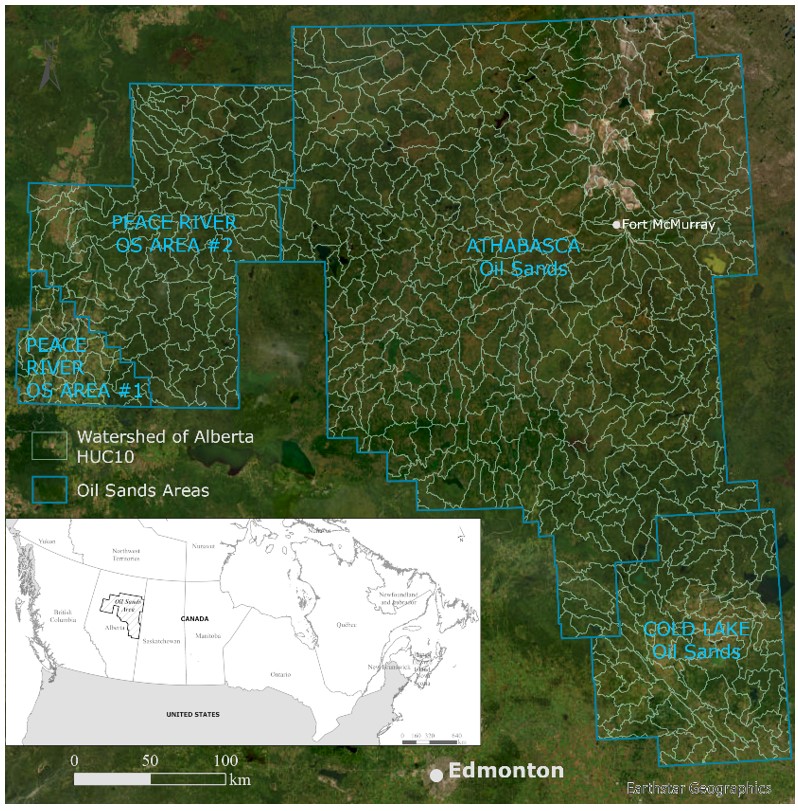
Figure 1: Oil sands areas (covering 142,200 km2)
in the province of Alberta, Canada
3.1 Hydrologic Unit Codes (HUCs)
These are a collection of drainage basin feature classes from the GoA
[2], and are nested into five hierarchical levels, i.e., level 2 (the
coarsest resolution: 5 polygons for the whole OSA), level 4 (15
polygons), level 6 (38 polygons), level 8 (110 polygons), and level 10
(the finest resolution: 658 polygons for the OSA). For this study, the
HUC polygons are the foundational units for all aggregation of the
data, according to the Oil Sands Monitoring Program management needs.
3.2 Human Footprint Products from the Alberta Biodiversity
Monitoring Institute (ABMI) 3x7-km Photoplots
[28].
These include a detailed and broad inventory characterizing human
footprint, vegetation, and other land surface features in a Geographic
Information System (GIS) format. This extensive data collection is
based on a ground survey conducted every five years [29], which
comprises 1656 ABMI 3x7-km permanent sample sites and covers
approximately 5% of the province of Alberta; however, the survey is not
repeated regularly on all sites. These data were used to create the
ground truth data for the classes of interest in the development of the
5-year LULC maps.
3.3 Orthorectified 30m Landsat Image Composites of At-Surface
Reflectance Collected During the Growing Season (May 15 to
September 15)
These were used within Google Earth Engine (GEE) to observe changes in
vegetation and environment. As the main objective was a temporal
analysis, orthorectified at-surface reflectance images (from
Collection 1) are from the years 2000-01 (Landsat 7), 2005 (Landsat 5),
2010 (Landsat 5), 2015 (Landsat 8), and 2020 (Landsat 8). Landsat was
selected as the imagery input because temporal data from 2000 was
required, imagery is free, and it is easily prepared for mosaicking and
temporal comparison in GEE. As the province of
Alberta is frequently blanketed in cloud and/or snow, the temporal
averaged Landsat images contain substantial gaps, particularly for
short-term intervals (seasonal images). Therefore, Landsat 7 images for
the years 2000 (46.8%) and 2001 (53.2%) were combined to obtain
cloud-free output for our benchmark year (henceforth called 2000). The
preprocessing of these images included cloud, shadow, and snow masking,
as well as temporal (May 15 to September 15) and spatial (OSA)
clipping. To create coverage of the entire OSA, multiple overlapping
images (image mosaicking) were employed and aggregated to create one
uniform image representing the median of the pixel values of the
overlapping images.
Since Landsat 5, 7 and 8 scenes were incorporated into the creation of
the mosaics, the composites were also harmonised to Landsat 8 spectral
bands, for temporal analyses and comparisons [30].
3.4 Shuttle Radar Topography Mission (SRTM V3) Digital Elevation
Data Product at 30m Resolution
These data were selected within GEE as they are free, readily
available, and at the same resolution as the Landsat images. These were
used in the development of the LULC maps. Landsat imagery and SRTM
digital elevation data were also chosen within GEE for the
repeatability of the processes in other parts of the world.
4. Methods
From the spatial perspective, the study was conducted at various scales
within the OSA, with the leading unit being the HUC. The feature
classes of these units are defined hierarchically in five levels,
therefore an initial scale had to be selected for this zonal approach.
HUC levels 2 and 4 were deemed to constitute too coarse a scale. HUC
level 6 was considered an appropriate initial scale, and then analyses
were conducted at progressively finer scale only in the units where
changes were detected. From the temporal perspective, the study
considered the 2000-2020 period, with comparisons conducted over 5-year
intervals, on data gathered for 2000/2001, 2005, 2010, 2015, and 2020.
All remote sensing image processing was completed using JavaScript
within the GEE code editor. As recommended by Jensen [31], a
hierarchical framework was applied to detect the environmental
disturbances and recoveries in the OSA.
On these hierarchical spatial units and 5-year intervals, we applied,
in parallel, (1) landscape metrics from LULC classes, and (2)
hierarchical zonal analyses calculated from selected landscape metrics
and spectral indices [32] and [33]. A workflow of the methodology is
presented in Figure 2.
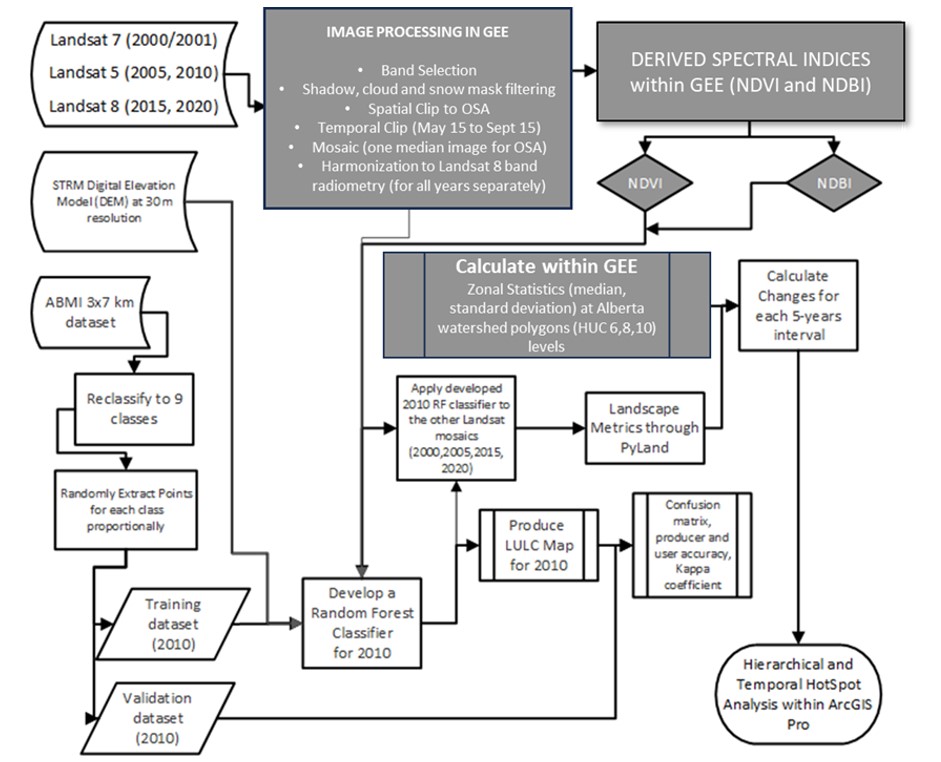
Figure 2: Workflow of the methodology applied to detect
environmental changes in the Oil Sands Area (OSA)
4.1 Landscape Metrics Method
Landscape metrics were calculated from the LULC maps based on the level
of heterogeneity, from coarser to finer, at landscape and class level,
and pattern characteristics (i.e., area, edge, and shape) for each of
the 5-year intervals [10] and [34] .
4.1.1 Classification
A Random Forest (RF) classifier[35] was chosen because it is a widely
used machine learning algorithm for LULC classification due to its high
accuracy and ability to handle complex and non-linear relationships
between the input data and the output classes and as a requirement from
the funding agency. Different combinations of predictors (2010 Landsat
bands and different spectral indices) were examined [36][37][38] and
[39] . The best RF (based on Cohen’s kappa) for the 2010 Landsat
composites used nine predictors: Landsat Visible, NIR, and SWIR bands,
in addition to NDVI, NDBI, and Elevation. The year 2010 was chosen
because it was the central point of the study period, and it contained
the most complete collection of ABMI reference data. To evaluate each
selected polygon's land cover accuracy, the reference polygons were
individually matched to high resolution Google EarthTM
images. The digitization of 1,282 Test-Train ABMI polygons,
encompassing 14,332 hectares of the OSA (i.e., 10 % of the study area),
was completed using ArcGIS Pro v2.9, for which the classes present in
ABMI data (Table 1) were aggregated to create nine different land cover
categories, i.e., Barren, Built-up, Cropland/Agriculture, Water,
Broadleaf Forest, Needleleaf Forest, Mixed Forest, Treed Wetland, and
Vegetated Open Upland/Wetland, in concordance with the project
objectives and the North American land change monitoring system
(NALCM)’s classification standard [40]. For ground-truthing, a total of
73,810 points (10%) were selected from the digitized classified ABMI
polygons following a random stratified strategy (Figure 3). Once the
supervised RF classifier was created from the 2010 Landsat mosaic, it
was then applied to the 2000, 2005, 2015 and 2020 Landsat mosaics to
create the corresponding LULC maps. The LULC maps were downloaded from
GEE at 90m resolution via median filtering to reduce the effects that
isolated classified pixels would have in further analyses, as well as
to mitigate the computational difficulties arising from the large size
of the OSA.
Table 1: List of the land cover ABMI classes
sampled for the supervised classification.
|
LULC class
|
ABMI level 3 Class Details
|
|
Water
|
Open water (lakes, salt water, river, reservoir,
shallow open water, stream)
|
|
Built-up
|
All artificial surfaces such as buildings, roads,
railway, reservoir margin
|
|
Barren
|
Burned area, river sediments, clear cut (fresh),
exposed soil or substratum, pond or lake sediments,
mudflat sediment, other non-vegetated or undeveloped
areas
|
|
Agriculture/cropland
|
Annual crops, perennial non-forage crops,
perennial forage crops, livestock/animal husbandry,
agricultural storage
|
|
Mixed forest
|
Treed areas with at least 10% crown closure,
where neither coniferous nor broadleaf trees account
for 75% or more of crown closure.
|
|
Needleleaf (Coniferous) forest
|
Spruce, pine, fir, larch
|
|
Broadleaf (Deciduous) forest
|
Trembling aspen, balsam poplar, white birch
|
|
Treed wetland
|
Bog, wooded, permafrost or patterning, collapse
scar, forested, no internal lawns, internal islands
of forested peat plateau, fen, swamp
|
|
Vegetated Open Upland/wetland
|
Grassland/shrubland, vegetated open upland and
wetland, tall shrub, short shrub, herbaceous
grassland, herbaceous forbs (non-wetland),
bryophyte (moss, non-wetland), vegetated open
wetland
|
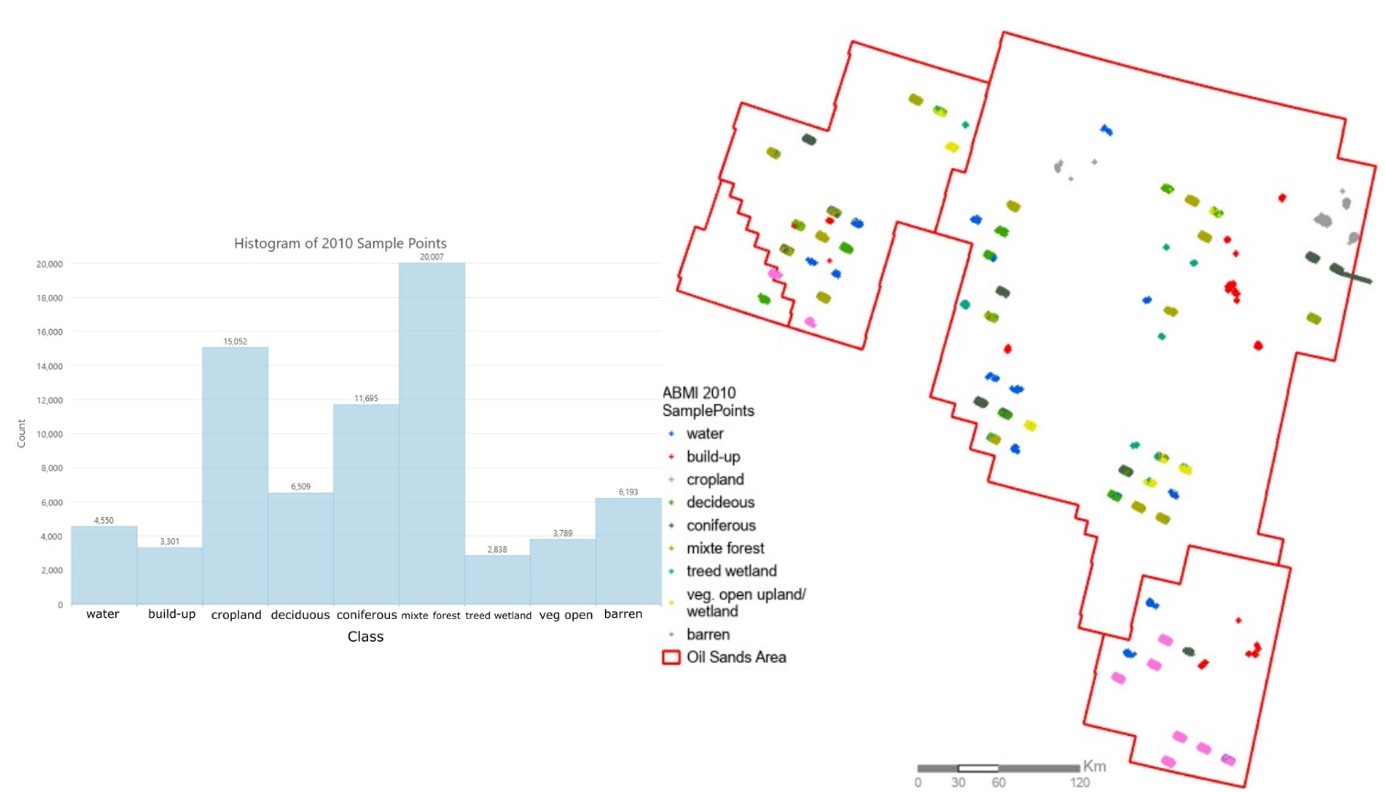
Figure 3: Histogram of 2010 sample points (left) and
their locations (right) used for the development of the supervised
Random Forest classifier from 2010 Landsat mosaic and aggregated ABMI
data [28]
Table 2: Landscape metrics and formulas used for
analysis.
|
Class of Landscape Metrics
|
Name
|
Formula
|
|
1-Area and edge metrics
|
Proportion of Land use/Land cover (PLAND)
|
PLAND = class area / total landscape area
|
|
2-Shape Metrics
|
Shape Index (SHAPE)
|
SI = patch perimeter / patch area
|
|
Perimeter Ratio (PARA)
|
PARA = Perimeter / area
|
Table 3: Spectral indices with their corresponding
equations
|
Indices
|
Acronym
|
Formula
|
|
Normalized Difference Vegetation Index
|
NDVI
|
(NIR-R)/(NIR+R)
|
|
Normalized Difference Built-Up Index
|
NDBI
|
(SWIR - NIR) / (SWIR + NIR)
|
4.1.2 Landscape metrics
PyLandStats, an open-source Python library, was used to quantify the
landscape structure with metrics calculated at patch, class, and
landscape level [41]. It is based on the commonly used FRAGSTATS
software [34]. The most used metrics [10] and [34] calculated were then
put through a standard redundancy reduction based on correlation and
standardized principal component analysis (PCA) [42]. The selected
landscape metrics (Table 2) were then compared across 5-year intervals,
to identify land cover changes in the OSA.
4.2 Hierarchical Zonal Analysis Method
A hierarchical zonal analysis of different spectral indices and
selected landscape metric was performed to examine the OSA based upon
the HUC polygons.
4.2.1 Spectral indices
Using the harmonized Landsat mosaics, two indices shown in Table 3 were
computed for each of the input years and include the Normalised
Difference Vegetation Index (NDVI) [31], and the Normalised Difference
Built-up Index (NDBI) [31] and [43]. Those indices were selected for
calculation as they provide information on several important aspects of
the environment and its change in the OSA. Specifically, NDVI provides
information about the health of the vegetation. Whereas the NDBI
contributes to understanding the extent of built-up areas, rocks and
barren land [44]. For each of the two indices, the median value was
selected as a robust measure of central tendency and computed within
GEE at HUC level 6, 8 and 10. These zonal data were downloaded from GEE
and inputted into ESRI ArcGIS Pro v2.9 for the subsequent steps.
4.2.2 Hotspot analysis
The difference in zonal median over each 5-year interval was then
calculated for each index at HUC level 6, 8 and 10, to show the change
across each interval, i.e., 2000 to 2005, 2005 to 2010, etc., as well
as across the entire study period, i.e., 2000 to 2020. Then, these
differences were inputted into a hotspot analysis [45] within ArcGIS pro
v2.9 (Esri Inc., Redlands, CA), which uses the Getis-Ord Gi* statistic
to identifies significant spatial clusters of features with high
(hotspots) or low (cold spots) values. The hotspot analysis is intended
to identify changes that are significant over a spatial extension, as
opposed to sporadic changes identified by an isolated median
difference. For this analysis, the selected
spatial weights matrix, to determine which of the surrounding pixels are
deemed to be spatially autocorrelated, was based on Delaunay
triangulation (or Voronoi diagram) [46]. The spatial weights matrix
was row standardized to mitigate the bias that occurs when the number
of neighbours is dependent upon the aggregation strategy that is
employed [47][48][49] and [50] . The hotspot analysis was also conducted
with the application of the false discovery rate correction, which
reduces the critical p-values to account for the effects of spatial
dependence and multiple tests [51]. The analysis yields hotspots, i.e.,
neighbourhoods characterized by significant clusters of high median
differences, which will be interpreted as areas of positive change
(i.e., increase), and cold spots, i.e., neighbourhoods characterized by
significant clusters of low median differences, which will be
interpreted as areas of negative change (i.e., decrease).
Though HUC level 6 (consisting of 38 polygons) was considered an
appropriate initial scale, index changes were only significant for very
few areas, suggesting that the scale was still too coarse. Hence, the
analysis was implemented on all the hydrological units at HUC level 8
(i.e., 110 polygons). As this analysis did yield meaningful results, it
was considered the starting point of the hierarchical zonal analysis.
Any drainage basin units where hotspots or cold spots were identified
at this level were further analyzed at the finer level, i.e., HUC10
level. The final outputs from this analysis included 5-year interval
time series of hot/cold spots of index changes for selected HUC10 level
polygons.
5. Results
5.1 Supervised Classifier
The RF classifier was developed using the 2010 Landsat mosaic and
51,839 training points (70%), and validated using 21,971 points (30%)
from the aggregated 2010 ABMI dataset [28]. The resulting LULC map for
2010 is presented in Figure 4. The accuracy of the classification was
also calculated within GEE and is summarized in Table 4(a).
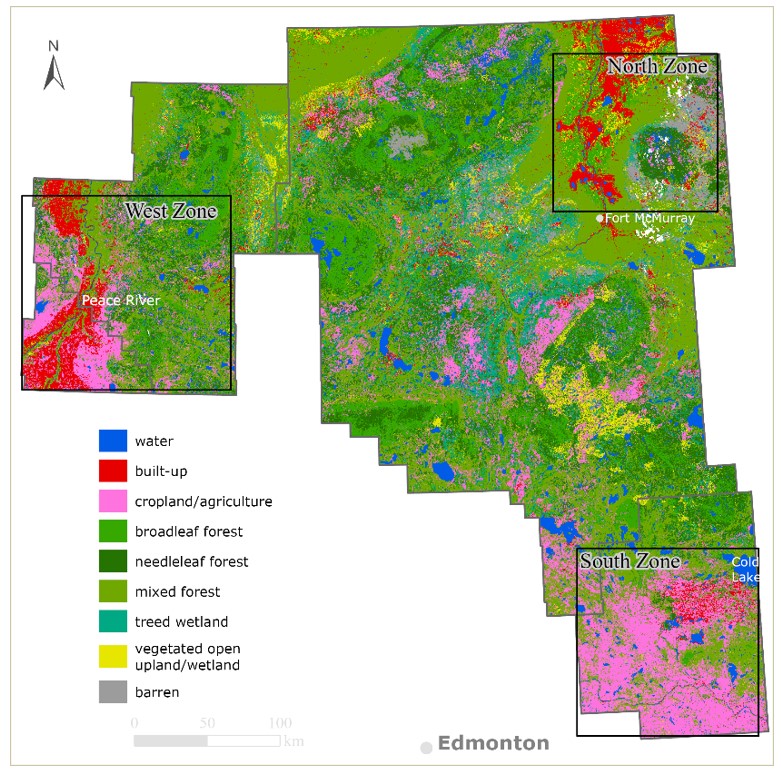
Figure 4: Land Use/Land Cover map of the oil sands
area, Alberta, Canada derived from the 2010 orthorectified at-surface
reflectance Landsat mosaic image and reference data from [28].
Table 4: (a) Assessment of the Random Forest LULC 2010
resulting for the testing set pixels (30%) stratified sampled from
ground truth data [28]. (b) Accuracy assessment for the LULC maps
derived from the supervised 2010 RF classifier. It uses the same
testing ABMI points of 2010, since ABMI stopped the surveys in 2016 and
a large majority of the existing points was surveyed before 2000.
|
Accuracy
|
water
|
built up
|
cropland
|
broadleaf
|
needleleaf
|
mixed
|
wetland
|
Open veg
|
barren
|
|
Consumer
|
96.1
|
90.7
|
89.6
|
70.2
|
80.0
|
87.4
|
83.1
|
82.9
|
96.0
|
|
Producer
|
93.2
|
86.1
|
96.9
|
64.3
|
84.8
|
89.0
|
63.1
|
66.9
|
95.7
|
(a)
|
Year
|
2000
|
2005
|
2010
|
2015
|
2020
|
|
Accuracy
|
66.3
|
73.7
|
85.3
|
70.7
|
57.9
|
|
95 CI (min)
|
65.7
|
73.1
|
84.8
|
70.1
|
57.2
|
|
95 CI (max)
|
66.9
|
74.3
|
85.8
|
71.3
|
58.5
|
|
kappa
|
58.6
|
68.3
|
82.3
|
64.3
|
47.6
|
(b)
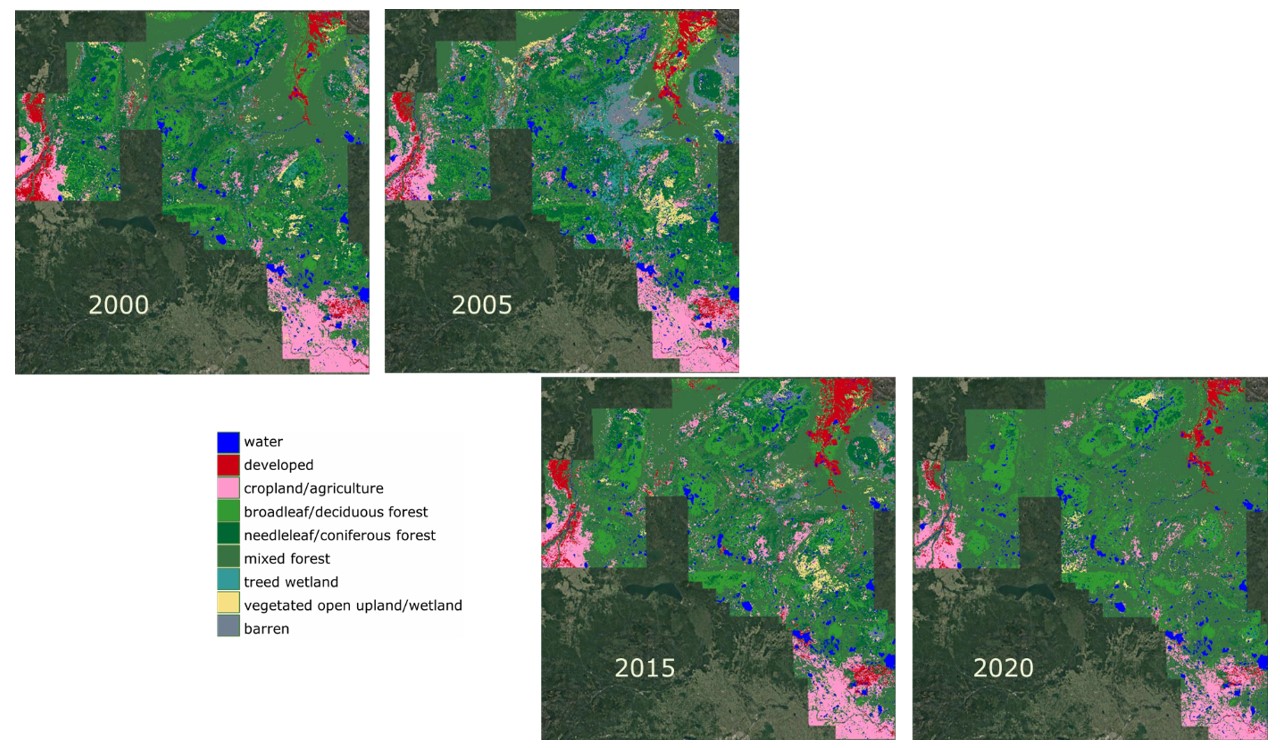
Figure 5: Land use/Land cover maps created by the
developed 2010 Random Forest classifier from 2000, 2005, 2015, 2020
at-surface reflectance orthorectified and harmonized Landsat mosaics.
The overall accuracy of the classifier is 96.4 for training and 85.3
for testing sets, while the Cohen’s kappa ranges from 97.7 for training
to 82.3 for testing sets, demonstrating the strength of the results
derived from the classifier. For the testing set, producer’s accuracies
range from 84.8 to 96.9 for six of the classes, but only reach 63.1 for
Treed Wetland, 64.3 for Broadleaf Forest and 66.9 for Vegetated Open
Upland/Wetland, suggesting that there are limitations in the
classifier’s ability to differentiate across classes. User’s accuracies
range from 80.0 to 96.1, except for Broadleaf Forest, with 70.2, which
indicates that most land cover was correctly classified.
The same 2010 RF classifier was then applied to the 2000, 2005, 2015
and 2020 Landsat images to create the temporal LULC maps for subsequent
use in the landscape metrics analyses. They are presented in Figure 5.
Accuracy assessment on the classified maps was performed using the same
set of 2010 ABMI testing points. Although not ideal, as ABMI
discontinued the surveys in 2016 and most of the existing points was
surveyed before 2000, this was the only available ground truth dataset.
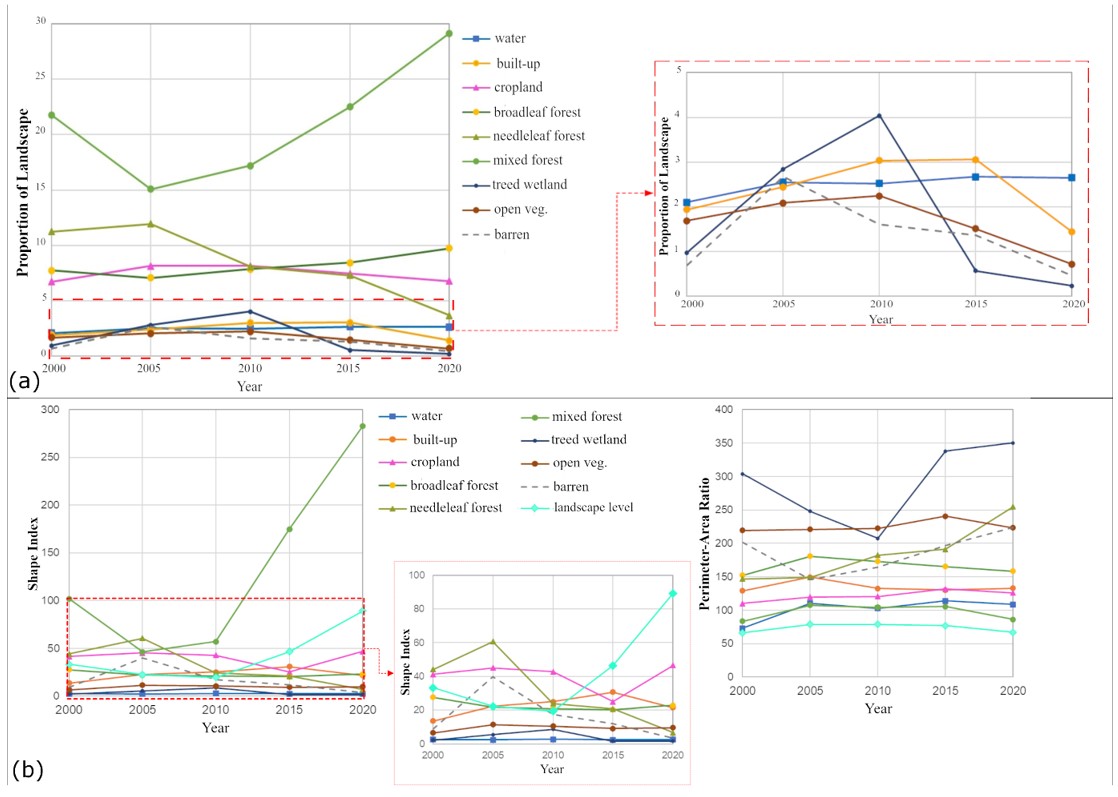
Figure 6: Temporal analysis of the metrics (a) PLAND
(proportion of landscape) at the class level and (b) “shape index” and
“perimeter-area ratio”, at the class and landscape level
The accuracy assessment was evaluated and is presented in Table 4(b):
it shows that the accuracy of the LULC maps is generally consistent
over the 2000-2015 period, and declines in 2020, for which ABMI surveys
are not available.
5.2 Landscape Metric Selection
Based on correlation analysis and PCA, supported by the literature
[8][52] and [53], the three metrics “proportion of landscape” (PLAND),
“perimeter-area ratio”, and “shape index” were selected. These metrics
(Table 2) were computed for each classified map, and figures were
generated for their temporal analysis.
5.3 Temporal Analysis of the Selected Metrics
Figure 6(a) presents the temporal PLAND for each of the nine classes.
For the Mixed Forest and Broadleaf Forest classes, the PLAND showed a
decrease from 2000 to 2005, followed by an increasing trend from 2005
to 2020. In other words, for the Mixed and Broadleaf Forest classes, the
PLAND showed increasing trends of 33% and 36%, respectively, during the
study period. The PLAND for the Needleleaf Forest class decreased by
69% from 2005 to 2020 (with an overall decrease of 67% between 2000 and
2020). The Cropland/Agriculture class decreased slightly from 2005 to
2020. The Built-Up class showed an increasing trend of 63% from 2000 to
2010, followed by a 53% decrease from 2015 to 2020. The Treed Wetland,
Open Vegetation and Barren classes decreased during the study period.
Figure 6(b) shows the comparison of landscape-level metrics “shape
index” and “perimeter-area ratio” (all shown in cyan), with the
corresponding class level metrics. Both indices are measures of the
complexity of patch geometry, however the shape index is standardized to
a basic shape (e.g., ellipse), whereas the perimeter-area index is a
simple straightforward measure. At the landscape level, the “shape
index” decreased by 41% from 2000 to 2010 and then increased
drastically, by 360% from 2010 to 2020. This indicates overall changes
in the landscape over the period, which are explained by trends in the
class-level metric.
Hence, the decrease in the landscape-level metric was related to the
decreased complexity in the geometry of the classes Needleleaf Forest
(60% decrease in the class-level metric) and Barren (56% decrease in the
class-level metric) from 2005 to 2010. This increase was mainly
associated with the increased complexity in the geometry of the class
Mixed Forest (390% increase in the class-level metric) from 2010 to
2020. Additionally, the complexity of the geometry of the class
Cropland decreased by 54% from 2000 to 2015, followed by an increase of
125% from 2015 to 2020.
At the landscape level, the “perimeter-area ratio” metric barely
changed (about 1%) during the study period. However, larger changes
were observed at the class level. The metric exhibited the following
changes for the pertinent classes: (1) Barren decreased by 28% from
2000 to 2005, then increased by 53% from 2005 to 2020; (2) Needleleaf
Forest was practically unchanged between 2000 and 2005, then increased
steadily by 73% between 2005 and 2020; (3) Broadleaf Forest increased
from 2000 to 2005 and then decrease steadily from 2005 to 2020; and (4)
Cropland increased by a modest 14% during the whole study period.
5.4 Temporal Hierarchical Hotspot Analysis
Following the landscape and class level metric results, zonal PLAND
were computed on the combined Forest class, i.e., the aggregated
Needleleaf, Broadleaf and Mixed classes. Then the hierarchical hotspot
analysis was performed on the spectral indices and zonal PLAND
‘Forest’. In this paper, we only present the analyses for NDVI and
NDBI. Figure 7 present the HUC10 level polygons that exhibited
significant (from 90% confidence) changes within the four 5-year
intervals in the OSA for NDVI, NDBI and zonal PLAND ‘Forest’ metric,
respectively.
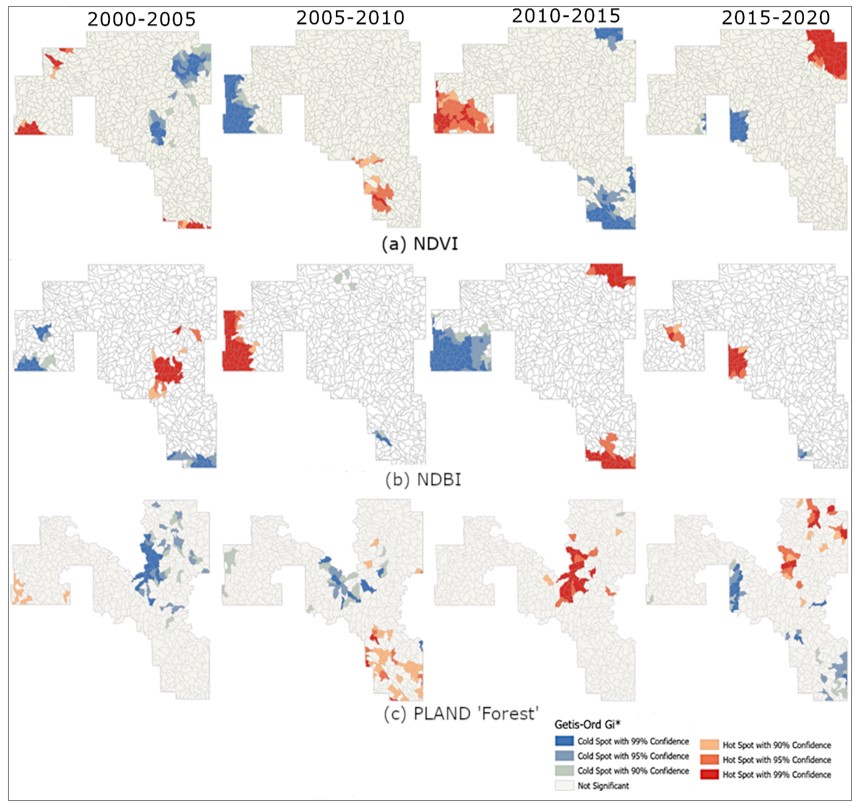
Figure 7: HUC10 level polygons exhibiting positive (in
red) and negative (in blue) changes in (a) NDVI (vegetation greenness),
(b) NDBI (built-up areas) and, (c) zonal PLAND ‘Forest’ metric over the
four 5-year intervals between 2000 and 2020 in the Oil Sands Area
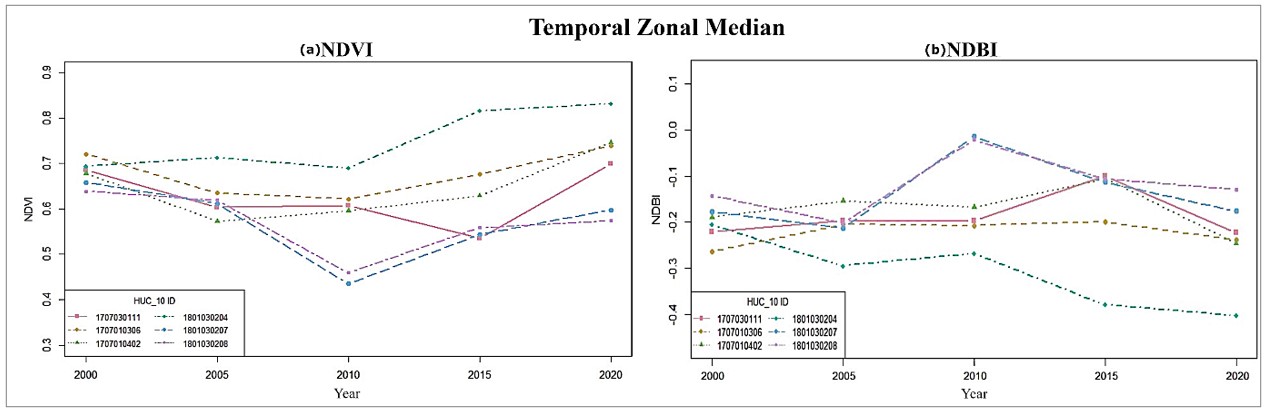
Figure 8: Temporal zonal median graph of NDVI (a) and
NDBI (b) for 6 corresponding HUC10 level polygons (whose ID are in
legend box) exhibiting significant changes.
Most of the changes occurred in the West, South and North zones of the
OSA. The West and South zones correspond to agriculture areas (Figure
4) while the North Zone encompasses urban (Fort McMurray), industry
(oil sands) and forest areas (Figure 1). A comparison of Figures 7(a)
and 7(b) indicates that the same polygons exhibit opposite changes in
NDVI vs. NDBI, suggesting that decreases in vegetation (NDVI) might be
associated with increases in NDBI, i.e., built-up or barren land (i.e.,
bare rock, as opposed to crops or moss, lichen), since these two
classes have often similar spectral signatures. The same relationship
is suggested by Figure 8, which shows the temporal graphs of the zonal
analysis for six HUC10 level polygons that have exhibited changes. This
figure also shows that some HUC10 level polygons exhibited very large
changes (both positive and negative) while others displayed more subtle
changes over time.
Figure 7(c) shows the significant changes affecting zonal PLAND
‘Forest’ at HUC10 level. Interestingly, not all the changes detected by
the hierarchical zonal analyses of NDVI and NDBI are visible in zonal
PLAND ‘Forest’ and vice versa.
6. Discussion
The OSA is a large and complex area, extending over more than 20 % of
the Province of Alberta. To assess environmental change over this
extent, we performed a hierarchical zonal analysis, articulated into a
double thrust over space and time to identify diverse landscape changes
at varying spatial and temporal scales.
The hierarchical time-space zonal analysis may constitute a valuable
assessment and management tool, owing to its ability to detect negative
changes (i.e., decrease) and positive changes (i.e., increase). Our
study shows, for example, localized increases of the vegetation cover
that might be associated with reclamation efforts [52]. This study
could provide insights into whether changes in boreal forest cover are
associated with anthropogenic (industrial activities) or natural
(wildfire, insect infestation) environmental stressors. Hence, this
study constitutes a starting point to provide information that can
support a better understanding not simply of the overall environmental
change, but more specifically of the impacts (positive and negative) of
industrial activities locally and over time.
The majority of the OSA is covered by boreal forest, with most built-up
areas concentrated in the northeast corner of the OSA (Fort McMurray),
along the river valley near Peace River, and, to a lesser extent, in
the southeast corner (Cold Lake) of the OSA (Figure 1). As well,
agricultural land uses are mostly located in the southernmost zone,
i.e., the Cold Lake area, and near the Peace River valley.
Environmental changes affect these land uses in different ways, hence
our class-level analysis identified localized changes in each area. For
example, changes to the barren and built-up classes were more
significant especially in the Fort McMurray area, whereas changes to
the forest class affected the whole OSA, even though changes exhibited
opposite signs over time and locally. Landscape metrics and spectral
indices were important to evaluate these local and temporal differences
(Figures 6, 7, and 8). Landscape metrics provide information on changes
not only in landscape composition, i.e., class percentage in each HUC10
level polygon, along with its temporal evolution, but also on its
configuration, i.e., on the changes in the fragmentation of the
landscape and of individual classes. The metrics selection yielded
results consistent with those reported in the literature. Composite
measures of “average patch compaction”, “average patch shape”,
“perimeter-area” and “large-patch density” were selected [53] while the
study of landscape metrics for assessment of land cover change and
fragmentation selected five metrics out of nine from their PCA
analysis, including “proportion of landscape”, “number of patches”,
“largest patch index”, “edge density”, and “landscape shape index” [54].
Spectral indices complemented the landscape metrics analysis. While the
metrics focused on the geometric dimension of changes, indices provided
substantive information, relating the change to environmental health
(e.g., burnt, greenness indices), as well as potentially ascribing them
to specific disturbances. Prime examples of a major disturbance are the
2011 Richardson Fire, north of Fort McMurray and the 2016 Fort McMurray
wildfire that have significantly altered the landscape [55] and [56].
The decreased reliability of the 2020 LULC classification (Table 4(b))
may be associated with the impact of the 2016 event since the ground
truth data for 2020 was not available yet. At the same time, the
changes associated with that wildfire are not easily discerned by this
analysis, as forested areas were replaced by other type of vegetation,
e.g., seedlings, that still appear vegetated in the images. As well,
the wildfire occurred near the urban area; hence, some of its effects
may be classified simply as urban/barren.
As shown by the hotspot analysis (Figure 7), the main hotspots of
change (i.e., contiguous areas characterized by similar changes)
occurred in the west zone in the 2000-2005 and 2010-2015 intervals, in
the south zone in 2000-2010, and in the north zone (Fort McMurray) in
2015-2020. Interestingly, cold spots (i.e., contiguous areas
characterized by negative changes) occurred largely over the same areas
as hotspots, but over different time intervals. However, in the central
areas of the OSA only cold spots were detected. As shown in Figure
9(c), these synoptic changes appear more sporadic at finer spatial
resolution. These results are relative to the initial scale of
analysis, as discussed below (paragraph 6.3). For the HUCs that
experienced significant changes, a temporal decrease (negative change)
in agricultural land use was accompanied by a simultaneous increase
(positive change) in built-up or barren areas.
Spatial and temporal extents were dictated by project needs. While the
5-year intervals were determined following the literature discussed in
this paper (i.e., [3]-[11]), the HUC level analyses responded to
specific project requirements. This said, the presented hierarchical
analysis, along with the hotspot analysis, allow transitioning across
analytical scales, mindful of the MAUP, and provide a framework for
cross-scale analyses applicable to other contexts.
6.1 Limitations and Uncertainties
Our study is necessarily limited by many factors. At the fundamental
level, analysis and communication of environmental changes should
encompass narratives, images, graphs, statistical and quantitative
methods, along with traditional environmental knowledge and other
Indigenous ways of knowing [57]. The scope of our project limited our
work to the analysis discussed here. Further limitations of this study
stem from the sheer size of the study area, and the reliance on data
products, derived from remotely sensed images, with their inherent
limitations in representing the area under scrutiny. The analysis
presented in this paper provided some strategies to mitigate some of
these limitations, by (1) using a hierarchical approach that
investigates only areas subject to change and (2) providing some
analytical redundancy (double thrust) to compensate for data and
classification limitations. However, we recognize that our approach
suffers from the inherent limitations of scales, computational power,
and assumptions.
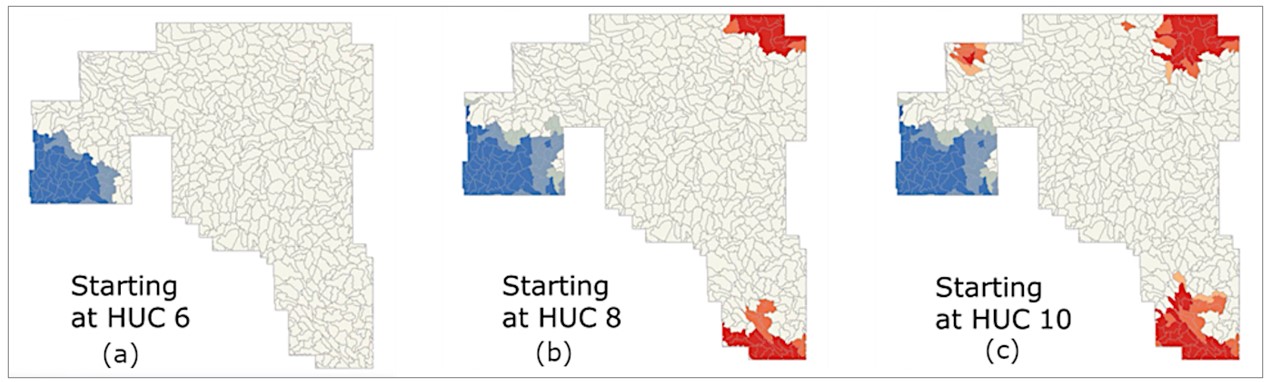
Figure 9: Hierarchical zonal analysis of NDBI between
2010 and 2015 at the finest (HUC10) level, exhibiting positive (red) and
negative (blue) changes
(a) HUC6 level (b) HUC8 level (c) HUC10 level.
6.2 Landsat Mosaic and LULC Classification
To create the Landsat images for the period of the study, the median of
the orthorectified and at-surface reflectance Landsat collections
(Collection 1) over the growing season was selected: this portion of
the year was chosen because it is generally the time when the OSA is as
cloudless as possible. To obtain cloudless and gapless imagery,
multi-date scenes from a range of months were mosaicked together,
although vegetation phenology (levels) may vary through those months.
However, there is no evidence that this limitation impacts the
hierarchical zonal analysis due to the analysis scale (i.e., HUC10
polygons) nor the comparison of the temporal images.
Validation of the LULC classification was limited by data availability.
ABMI reference data are available from discontinuous surveys and
varying points. Despite the temporal mismatch, the 2010 dataset
performed better than any other set, as it contained the largest
sample. As an alternative to ABMI, the Land Cover of Canada for the
pertinent years was considered; however, the accuracy and sample size
are reported for the entire Canada, with no indication of the sample
size and properties for the OSA and 2020 classification map did not
exist.
6.3 Modifiable Areal Unit Problem
The modifiable areal unit problem (MAUP), well known in the spatial
analytical literature [17], can be summarized in the change in
analytical results deriving from changes in the spatial units used in
the analysis. This study was conducted at nested scales, and we are
mindful that results obtained at each scale cannot be directly inferred
to other scales, as exemplified by Figure 9. Likewise, results obtained
for HUC polygons cannot be inferred to other spatial units. Further,
some analytical routines may be impacted by edge effects, as shown in
Figure 10, which tend to occur when unusually high or low values occur
near the edges of the study area, impacting local analytical results in
that area [58].
Moreover, our study gave evidence of a difference in results associated
with analyses conducted on a single merged region (Figure 10(b)) as
opposed to its constituent portions (Figure 10(a)). We can speculate
that this was the result of the combined edge effects and MAUP
problems. While there exist corrections for edge effects, it is known
that the MAUP has no solution. Therefore, we can only point out to this
finding and caution about this occurrence in studies similar to this
one.
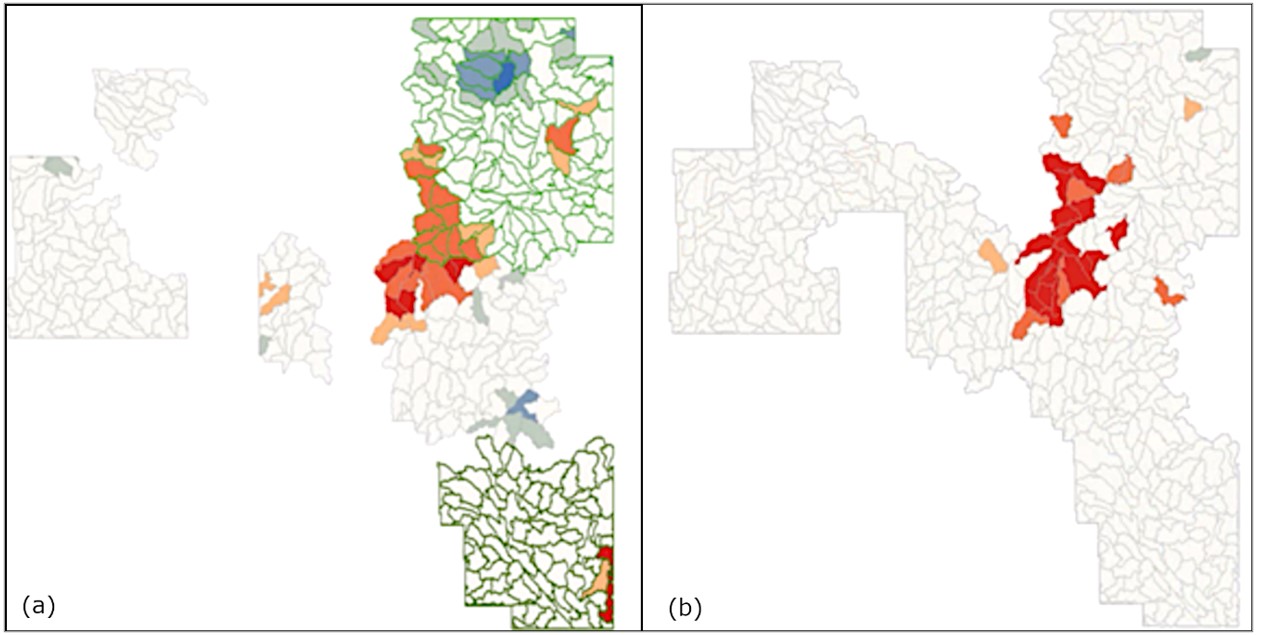
Figure 10: Hierarchical zonal analysis of zonal PLAND
‘Forest’ between 2010 and 2015 where the zonal analysis has been done
on each zone of interest (6 zones) separately (a) or on the merged
zones (1 zone) covering the OSA (b) where HUC10 level polygons are
exhibiting positive (red) and negative (blue) changes. On (a), the north
and south zones of interest have been highlighted in light and dark
green respectively to show that they were analysed separately.
6.4 Future Work
Change detection is important to quantify and understand the evolution of
the environment. Land classification has limitations that impact change
detection: future lines of research include using the newest Landsat
collection, improving the land classification algorithm, validating the
classification using independent ground truth datasets, enhancing the LULC
classification using Google Earth historical images, trying to compensate
for the inherent complication stemming from the temporal dimension of the
study with potential error propagation.
Change detection was performed at the finest level of the HUC polygons
(i.e., HUC10) which is a large scale; therefore, future research should
include a finer-grained scale for the polygons exhibiting changes. Further,
environmental monitoring and management require additional analyses, to
understand the nature of changes and ascribe them to anthropogenic vs.
natural causes. This analysis yielded a set of localized areas, affected by
positive and negative changes within specific HUC polygons, measured by
landscape classes and spectral indices. The results of this study shall be
further analyzed to identify natural and anthropogenic stressors associated
with the identified changes. Understanding these associations and
discerning natural from anthropogenic disturbances associated with changes
can assist environmental management of the region, as well as outline
effective monitoring strategies.
7. Conclusion
The Oil Sands Area (OSA) of northern Alberta is a vast and complex region
that experienced substantial environmental change over the last decades.
Our study analyzed the whole area, at varying spatial scales, over 5-year
intervals within a 20-year period.
Our study employed a hierarchical approach, which allowed us to focus the
analysis and increase its scale in the portions of the region that
exhibited significant change at coarser scale. The study employed a double
analytical thrust, whose intentional redundancy helped address some
limitations of the data and classifications on which it was based. Hotspot
analysis also contributed to delineating contiguous areas of change, as
opposed to isolated instances. Notwithstanding the inherent limitations of
scale, complex analyses, and derived data products, this study provides
insights into environmental change over multiple scales and time intervals.
The study identified complex environmental changes, both negative (i.e.,
decrease) and positive (i.e., increase), affecting different portions of
the OSA. These changes are mostly localized in space and over limited
temporal intervals. The most significant changes affected the Forest class,
which covers the largest spatial extent in the OSA. These changes were
confirmed by the analyses of both landscape class and spectral indices.
Further, shape and ratio metrics, along with the temporal analysis, suggest
increasing fragmentation of the OSA. The hierarchical spatiotemporal
analysis presented in this paper constitutes a valuable tool to identify
localized changes that may be associated with natural and/or anthropogenic
disturbances, thereby providing information for local management and for
mitigation of environmental change. Developed for the OSA of northern
Alberta, this methodology is scalable and applicable to other complex
regions.
In a context of changing climate, fluctuating economy, and increasing
industrial development, the complex OSA environment is prone to increasing
vulnerabilities. The findings of this study highlight the importance of
systematic monitoring and a comprehensive approach to environmental
monitoring and analysis. Further, we recommend a greater integration across
monitoring, data collection, and analysis, as well as across jurisdictions
and administrative levels.
Acknowledgements
Watersheds of Alberta and Hydrologic Unit Codes were provided by the
Government of Alberta under the Open Government Licence – Alberta. We
gratefully acknowledge Alberta Environment and Parks, Oil Sands Monitoring
(OSM) Program for supporting this work. This work is independent of any
position of the OSM Program. We also acknowledge Dr. Mina Nasr’s
contribution to compiling and criticizing the literature review. Finally, we
want to thank the Reviewers and the Editor of the International Journal of
Geoinformatics: your constructive criticism and careful assessment of our
work helped us improve the quality of this paper.
Funding
This work was funded by the Alberta Environment and Parks Oil Sands
Monitoring (OSM) Program. It is independent of any position of the OSM
Program.
References
[1] Narumalani, S., Mishra, D. R. and Rothwell, R. G., (2004). Change
Detection and Landscape Metrics for Inferring Anthropogenic Processes in
the Greater EFMO Area. Remote Sensing of Environment, Vol. 91(3),
478–489.
https://doi.org/10.1016/j.rse.2004.04.008.
[2] Watersheds of Alberta (MapServer)., (2021).
Alberta Environment and Parks
. Available:
https://geospatial.alberta.ca/titan/rest/services/environment/watersheds_of_alberta/MapServer.
[Accessed May 23, 2021].
[3] Sader, S. A., Bertrand, M. and Wilson, E. H., (2003). Satellite
Change Detection of Forest Harvest Patterns on an Industrial Forest
Landscape. Forest Science, Vol. 49(3), 341–353.
https://doi.org/10.1093/forestscience/49.3.341.
[4] Viña, A., Echavarria, F. R. and Rundquist, D. C., (2004).
Satellite Change Detection Analysis of Deforestation Rates and Patterns
along the Colombia-Ecuador Border. Ambio, Vol. 33(3), 118–125.
https://doi.org/10.1639/0044-7447(2004)033[0118:SCDAOD]2.0.CO;2.
[5] Wu, J., (2004). Effects of Changing Scale on Landscape Pattern
Analysis: Scaling Relations. Landscape Ecology, Vol. 19(2),
125–138.
https://doi.org/10.1023/B:LAND.0000021711.40074.ae.
[6] Zhou, Q., Li, B. and Zhou, C., (2004). Detecting and Modelling
Dynamic Landuse Change Using Multitemporal and Multi-Sensor Imagery.International
Archives of the Photogrammetry, Remote Sensing and Spatial Information
Sciences - ISPRS Archives, Vol. 35.
https://www.isprs.org/proceedings/xxxv/congress/comm2/papers/217.pdf.
[7] Bastian, O., Krönert, R. and Lipský, Z., (2006). Landscape
Diagnosis on Different Space and Time Scales – A Challenge for Landscape
Planning. Landscape Ecology, Vol. 21(3), 359–374.
https://doi.org/10.1007/s10980-005-5224-1.
[8] Gillanders, S. N., Coops, N. C., Wulder, M. A., Gergel, S. E. and
Nelson, T., (2008). Multitemporal Remote Sensing of Landscape Dynamics and
Pattern Change: Describing Natural and Anthropogenic Trends.
Progress in Physical Geography
, Vol. 32(5), 503–528.
https://doi.org/10.1177/0309133308098363.
[9] Khan, S. H., He, X., Porikli, F. and Bennamoun, M., (2017).
Forest Change Detection in Incomplete Satellite Images with Deep Neural
Networks. IEEE Transactions on Geoscience and Remote Sensing, Vol.
55(9), 5407–5423.
https://doi.org/10.1109/TGRS.2017.2707528.
[10] Lamine, S., Petropoulos, G. P., Singh, S. K., Szabó, S., Bachari,
N. E. I., Srivastava, P. K. and Suman, S., (2018). Quantifying Land
Use/Land Cover Spatio-Temporal Landscape Pattern Dynamics from Hyperion
Using Svms Classifier and FRAGSTATS®. Geocarto International, Vol.
33(8), 862–878.
https://doi.org/10.1080/10106049.2017.1307460.
[11] Kazi-Tani, L. M. and Bannari, A., (2021). Multi-Temporal Changes
Analysis of Natural Vegetation Cover Using Serial NDVI and Metric Indices:
Case of Tlemcen National Park (Northwest of Algeria). In
2021 IEEE International Geoscience and Remote Sensing Symposium IGARSS
. 3781–3784.
https://doi.org/10.1109/IGARSS47720.2021.9553177.
[12] European Environment Agency (EEA)., (1999). Environmental
Indicators: Typology and Overview — European Environment Agency.
Publication. Available:
https://www.eea.europa.eu/publications/TEC25.
[Accessed Jan 15, 2021].
[13] Cassatella, C. and Peano, A., (2011).
Landscape Indicators: Assessing and Monitoring Landscape Quality
(Eds.). Dordrecht: Springer Netherlands, 2011.
[14] Rehr, A. P., Small, M. J., Bradley, P., Fisher, W. S., Vega, A.,
Black, K. and Stockton, T., (2012). A Decision Support Framework for
Science-Based, Multi-Stakeholder Deliberation: A Coral Reef Example.
Environmental Management
, Vol. 50(6), 1204–1218.
https://doi.org/10.1007/s00267-012-9941-3.
[15] Yee, S. H., Bradley, P., Fisher, W. S., Perreault, S. D.,
Quackenboss, J., Johnson, E. D., Bousquin, J. and Murphy, P. A., (2012).
Integrating Human Health and Environmental Health into the DPSIR Framework:
A Tool to Identify Research Opportunities for Sustainable and Healthy
Communities. EcoHealth, Vol. 9(4), 411–426.
https://doi.org/10.1007/s10393-012-0805-3.
[16] Fotheringham, A. S. and Wong, D. W. S., (1991). The Modifiable
Areal Unit Problem in Multivariate Statistical Analysis.
Environment and Planning A
, Vol. 23(7), 1025–1044.
https://doi.org/10.1068/a231025.
[17] Openshaw, S., (1984).
The Modifiable Areal Unit Problem: Concepts and Techniques in Modern
Geography 38,” Geobooks, Norwich, 1984
. Norwich: Geo Abstracts.
[18] Historical Climate Data - Climate - Environment and Climate Change
Canada. Canadian Climate Normals 1981-2010 Station Data.
Available:
https://climate.weather.gc.ca/. [Accessed March 15, 2021].
[19] Taylor, G. D., (1985). Sun Oil Company and Great Canadian Oil
Sands Ltd.: The Financing and Management of a “Pioneer” Enterprise,
1962-1974. Journal of Canadian Studies, Vol. 20(3), 102–121.
https://doi.org/10.3138/jcs.20.3.102.
[20] Masud, B., Cui, Q., Ammar, M. E., Bonsal, B. R., Islam, Z. and
Faramarzi, M., (2021). Means and Extremes: Evaluation of a CMIP6
Multi-Model Ensemble in Reproducing Historical Climate Characteristics
across Alberta, Canada. Water, Vol. 13(5),
https://doi.org/10.3390/w13050737.
[21] McEachern, P., Prepas, E. E., Gibson, J. J. and Dinsmore, W. P.,
(2000). Forest Fire Induced Impacts on Phosphorus, Nitrogen, and
Chlorophyll-A Concentrations in Boreal Subarctic Lakes of Northern Alberta.
Canadian Journal of Fisheries and Aquatic Sciences, Vol. 57(S2),
73–81.
https://doi.org/10.1139/f00-124.
[22] Gibson, J. J., Birks, S. J., Yi, Y. and Vitt, D. H., (2015).
Runoff to Boreal Lakes Linked to Land Cover, Watershed Morphology and
Permafrost Thaw: A 9-Year Isotope Mass Balance Assessment.
Hydrological Processes
, Vol. 29(18), 3848–3861.
https://doi.org/10.1002/hyp.10502.
[23] Chasmer, L., Lima, E. M., Mahoney, C., Hopkinson, C., Montgomery,
J. and Cobbaert, D., (2021). Shrub changes with Proximity to Anthropogenic
Disturbance in Boreal Wetlands Determined Using Bi-Temporal Airborne Lidar
in the Oil Sands Region, Alberta Canada.
Science of the Total Environment
, Vol. 780.
https://doi.org/10.1016/j.scitotenv.2021.146638.
[24] Wasser, S. K., Keim, J. L., Taper, M. L. and Lele, S. R., (2011).
The Influences of Wolf Predation, Habitat Loss, and Human Activity on
Caribou and Moose in the Alberta Oil Sands.
Frontiers in Ecology and the Environment
, Vol. 9(10), 546–551.
https://doi.org/10.1890/100071.
[25] Brook, J. R., Cober, S. G., Freemark, M., Harner, T., Li, S. M.,
Liggio, J., Makar, P. and Pauli, B., (2019). Advances in Science and
Applications of Air Pollution Monitoring: A Case Study on Oil Sands
Monitoring Targeting Ecosystem Protection. Journal of the
AirandWaste Management Association, Vol. 69(6), 661–709.
https://doi.org/10.1080/10962247.2019.1607689.
[26] Russell, M., Hakami, A., Makar, P. A., Akingunola, A., Zhang, J.,
Moran, M. D. and Zheng, Q., (2019). An Evaluation of the Efficacy of Very
High Resolution Air-Quality Modelling over the Athabasca Oil Sands Region,
Alberta, Canada. Atmospheric Chemistry and Physics, Vol. 19(7),
4393–4417.
https://doi.org/10.5194/acp-19-4393-2019.
[27] Vizzari, M., (2011). Spatial Modelling of Potential Landscape
Quality. Applied Geography, Vol. 31(1), 108–118.
https://doi.org/10.1016/j.apgeog.2010.03.001.
[28] 3 x 7-km Sample-based Human Footprint Data.
ABMI (The Alberta Biodiversity Monitoring Institute)
. Available:
http://abmi.ca/home/data-analytics/da-top/da-product-overview/Human-Footprint-Products/Human-Footprint-Sample-Based-Inventory.html.
[Accessed January 13, 2021].
[29] Castilla, G., (2016). We Must all Pay More Attention to Rigor in
Accuracy Assessment: Additional Comment to “The Improvement of Land Cover
Classification by Thermal Remote Sensing”. Remote Sensing, 2015, 7,
8368–8390. Remote Sensing, Vol. 8(4).
https://doi.org/10.3390/rs8040288.
[30] Roy, D. P., Kovalskyy, V., Zhang, H. K., Vermote, E. F., Yan, L.,
Kumar, S. S. and Egorov, A., (2016). Characterization of Landsat-7 to
Landsat-8 Reflective Wavelength and Normalized Difference Vegetation Index
Continuity. Remote Sensing of Environment, Vol. 185, 57–70.
https://doi.org/10.1016/j.rse.2015.12.024.
[31] Jensen, J. R., (2007). Chapter 11: Remote Sensing of Vegetation.
Remote Sensing of the Environment: An Earth Resource Perspective,
2 nd ed., Ed. Upper Saddle River: Pearson Prentice Hall,
355-408.
[32] Lausch, A. and Herzog, F., (2002). Applicability of Landscape
Metrics for the Monitoring of Landscape Change: Issues of Scale,
Resolution, and Interpretability. Ecological Indicators, Vol.
2(1), 3–15.
https://doi.org/10.1016/S1470-160X(02)00053-5.
[33] Dengsheng, L., Guiying, L. and Moran, E., (2014). Current
Situation and Needs of Change Detection Techniques.
International Journal of Image and Data Fusion
, Vol. 5(1), 13–38.
https://doi.org/10.1080/19479832.2013.868372.
[34] McGarigal, K. and Marks, B. J., (1995). FRAGSTATS: Spatial Pattern
Analysis Program for Quantifying Landscape Structure.
Gen. Tech. Rep. PNW-GTR-351. Portland, OR: U.S. Department of
Agriculture, Forest Service, Pacific Northwest Research Station.,
1-122.
https://doi.org/10.2737/PNW-GTR-351.
[35] Breiman, L., (2001). Random Forests. Machine Learning,
Vol. 45(1), 5–32.
https://doi.org/10.1023/A:1010933404324.
[36] Rodriguez-Galiano, V. F., Ghimire, B., Rogan, J., Chica-Olmo, M.
and Rigol-Sanchez, J. P., (2012). An Assessment of the Effectiveness of a
Random Forest Classifier for Land-Cover Classification.
ISPRS Journal of Photogrammetry and Remote Sensing
, Vol. 67, 93–104.
https://doi.org/10.1016/j.isprsjprs.2011.11.002.
[37] Belgiu, M. and Drăguţ, L., (2016). Random Forest in Remote
Sensing: A Review of Applications and Future Directions.
ISPRS Journal of Photogrammetry and Remote Sensing
, Vol. 114, 24–31.
https://doi.org/10.1016/j.isprsjprs.2016.01.011.
[38] Pereira, P. R. M., Costa, F. W. D., Bolfe, E. L., Macarringe, L.
and Botelho, A. C., (2021). Comparison of Classification Algorithms of
Images for the Mapping of the Land Covering in Tasso Fragoso Municipality,
Brazil.
ISPRS Annals of the Photogrammetry, Remote Sensing and Spatial
Information Sciences
, Vol. 3–2021, 167–173.
https://doi.org/10.5194/isprs-annals-V-3-2021-167-2021.
[39] Valle, T. M. D. and Jiang, P., (2022). Comparison of Common
Classification Strategies for Large-Scale Vegetation Mapping Over the
Google Earth Engine Platform.
International Journal of Applied Earth Observation and Geoinformation
, Vol. 115.
https://doi.org/10.1016/j.jag.2022.103092.
[40] CEC, M., (2021). North American Land Change Monitoring System.
Commission for Environmental Cooperation. Retrieved from
http://www.cec.org/north-american-land-change-monitoring-system/".
[41] Bosch, M., (2019). PyLandStats: An Open-Source Pythonic library to
Compute Landscape Metrics. PLOS ONE, Vol. 14(12).
https://doi.org/10.1371/journal.pone.0225734.
[42] Mohamed, A., Worku, H. and Kindu, M., (2021). Quantification and
Mapping of the Spatial Landscape Pattern and its Planning and Management
Implications: A Case Study in Addis Ababa and the Surrounding Area,
Ethiopia. Geology, Ecology, and Landscapes, Vol. 5(3), 161–172.
https://doi.org/10.1080/24749508.2019.1701309.
[43] Zha, Y., Gao, J. and Ni, S., (2003). Use of Normalized Difference
Built-Up Index in Automatically Mapping Urban Areas from TM Imagery.
International Journal of Remote Sensing
, Vol. 24(3), 583–594.
https://doi.org/10.1080/01431160304987.
[44] Wyawahare, M., Kulkarni, P., Kulkarni, A., Lad, A., Majji, J. and
Mehta, A., (2020). Agricultural Field Analysis Using Satellite Surface
Reflectance Data and Machine Learning Technique.
ICACDS 2020. Communications in Computer and Information Science
, Vol. 1244, 439–448.
https://doi.org/10.1007/978-981-15-6634-9_40.
[45] Ord, J. K. and Getis, A., (1995). Local Spatial Autocorrelation
Statistics: Distributional Issues and an Application.
Geographical Analysis
, Vol. 27(4), 286–306.
https://doi.org/10.1111/j.1538-4632.1995.tb00912.x.
[46] Weisstein, E. W., (2022). Delaunay Triangulation.
Wolfram Research, Inc
. Available:
https://mathworld.wolfram.com/DelaunayTriangulation.html.
[Accessed: November 1, 2022].
[47] Anselin, L., (1988).
Spatial Econometrics: Methods and Models
(Vol. 4). Dordrecht: Springer Netherlands.
https://doi.org/10.1007/978-94-015-7799-1.
[48] Cressie, N., (1993). Statistics for Spatial Data. John
Wiley and Sons, Ltd.
https://doi.org/10.1002/9781119115151.ch4.
[49] Haining, R., (2003).
Spatial Data Analysis: Theory and Practice
. Cambridge: Cambridge University Press. 2003. [E-book] Available:
https://doi.org/10.1017/CBO9780511754944.
[50] ESRI., (2022). An Overview of the Modeling Spatial Relationships
Toolset. Available:
https://pro.arcgis.com/en/pro-app/latest/tool-reference/spatial-statistics/an-overview-of-the-modeling-spatial-relationships-toolset.htm.
[Accessed Sept. 15, 2022].
[51] ESRI., (2022). What is a z-score? What is a p-value? ArcGIS Pro |
Documentation. Geoprocessing Tools. Available:
https://pro.arcgis.com/en/pro-app/latest/tool-reference/spatial-statistics/what-is-a-z-score-what-is-a-p-value.htm. [Accessed Sept.
15, 2022].
[52] St Clair, C. C., Habib, T. and Shore, B., (2011) Spatial and
Temporal Correlates of Mass Bird Mortality in Oil Sands Tailings Ponds.
Alberta Environnent. 1-6.
https://smartcdn.gprod.postmedia.digital/edmontonjournal/wp-content/uploads/2012/10/8679.pdf.
[53] Riitters, K. H., O’Neill, R. V., Hunsaker, C. T., Wickham, J. D.,
Yankee, D. H., Timmins, S. P., Jones, K. B. and Jackson, B. L., (1995). A
Factor Analysis of Landscape Pattern and Structure Metrics.
Landscape Ecology
, Vol. 10(1), 23–39.
https://doi.org/10.1007/BF00158551.
[54] Kumar, M., Denis, D. M., Singh, S. K., Szabó, S. and Suryavanshi,
S., (2018). Landscape Metrics for Assessment of Land Cover Change and
Fragmentation of a Heterogeneous Watershed.
Remote Sensing Applications: Society and Environment
, Vol. 10, 224–233.
https://doi.org/10.1016/j.rsase.2018.04.002.
[55] Whitman, E., Parisien, M.-A., Thompson, D. K. and Flannigan, M. D.,
(2018). Topoedaphic and Forest Controls on Post-Fire Vegetation Assemblies
are Modified by Fire History and Burn Severity in the Northwestern Canadian
Boreal Forest. Forests,Vol. 9(3).
https://doi.org/10.3390/f9030151.
[56] Dawe, D. A., Parisien, M. A., Van Dongen, A. and Whitman, E.,
(2022). Initial Succession after Wildfire in Dry Boreal Forests of
Northwestern North America. Plant Ecology, Vol. 223(7), 789–809.
https://doi.org/10.1007/s11258-022-01237-6.
[57] Chen, Z., Xu, B. and Devereux, B., (2014). Urban Landscape Pattern
Analysis Based on 3D Landscape Models. Applied Geography, Vol. 55,
82–91.
https://doi.org/10.1016/j.apgeog.2014.09.006.
[58] Gao, F., Kihal, W., Le Meur, N., Souris, M. and Deguen, S., (2017).
Does The Edge Effect Impact on the Measure of Spatial Accessibility to
Healthcare Providers?. International Journal of Health Geographics
, Vol. 16(1).
https://doi.org/10.1186/s12942-017-0119-3.